April is one of the most exciting months in the gardening calendar. The days grow longer, the soil begins to warm, and plants surge back into active growth. Whether you’re tending a small-town plot or a larger landscape, April is a month of preparation, planting, pruning, and protection. It sets the tone for the entire growing season.
April is also a month of momentum in the garden. The groundwork laid now determines the health, productivity, and beauty of the months ahead. From sowing seeds and dividing perennials to feeding lawns and protecting fruit blossoms, every task contributes to a thriving garden.
By working with the weather, and tackling jobs methodically, you’ll transform your garden from its winter rest into a somewhere ready for the growing season.
Here’s our checklist to gardening jobs covering lawns, borders, vegetables, fruit, containers, and general maintenance.
1. Go on repairing the soil
April is prime time for soil preparation. As temperatures rise and rainfall softens the ground, it becomes easier to dig and improve beds.
Remove weeds, old plant debris, and any remaining winter mulch that may be preventing soil from warming up. Clearing debris also reduces hiding places for pests.
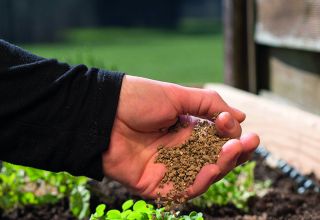
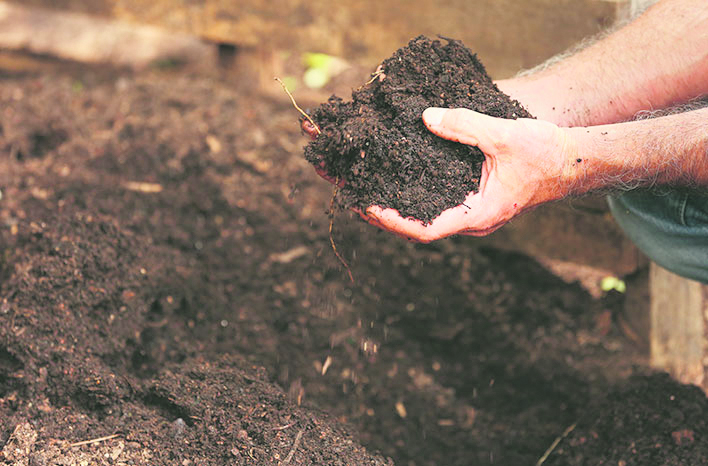
Work in well-rotted compost or manure to improve soil structure and fertility. This boosts nutrient levels and enhances drainage in heavy soils while helping sandy soils retain moisture.
If you haven’t tested your soil recently, April is a good time. Most plants prefer a slightly acidic to neutral pH. Adjust with lime (to raise pH) or sulphur (to lower pH) as needed.
2. Lawn care
Grass begins growing vigorously in April, and lawns need attention after winter dormancy.
Set mower blades higher for the first few cuts. Gradually lower them as growth strengthens.
Apply a spring lawn fertiliser high in nitrogen to encourage lush, green growth.
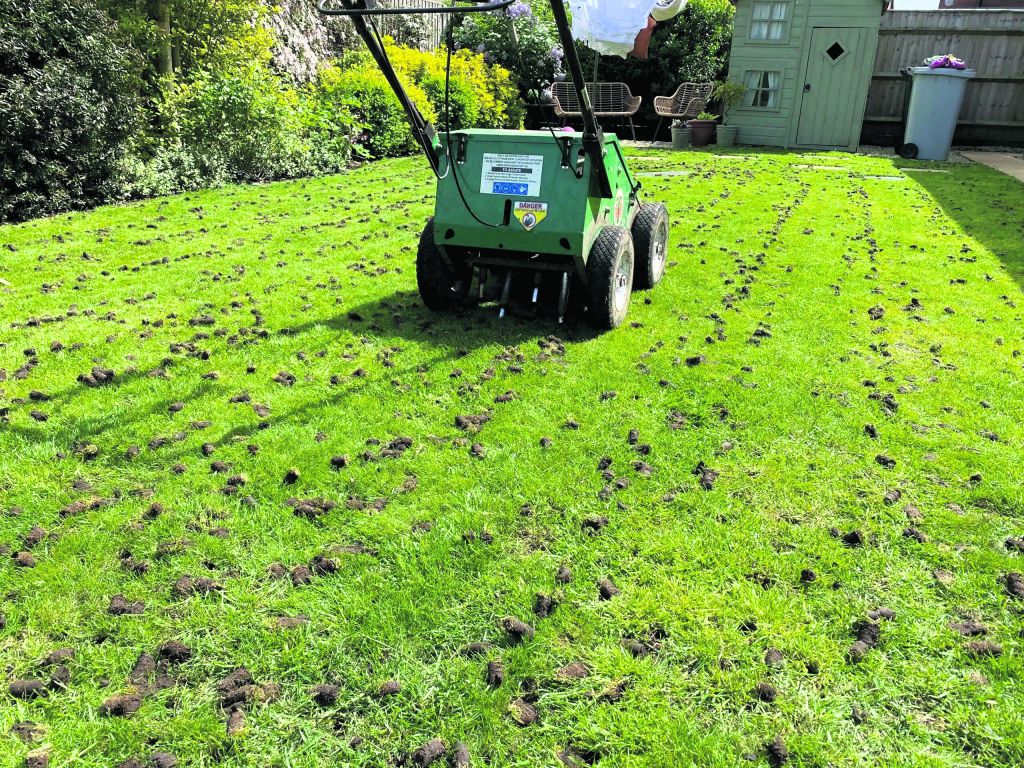
If thatch has built up, lightly scarify to remove moss and dead grass. Aerating compacted areas improves drainage and root health.
Rake bare spots, add fresh topsoil if needed, sow grass seed, and keep moist.
3. Planting and sowing
April is one of the busiest planting months.
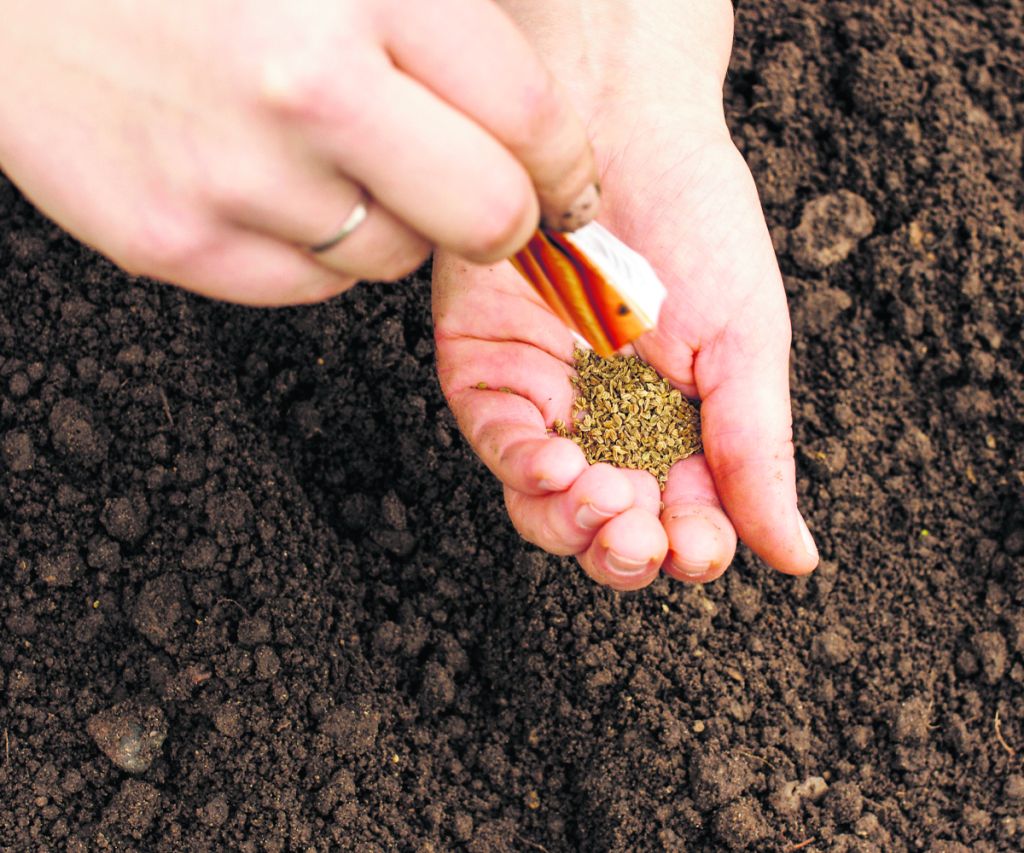
Many crops can be sown directly outdoors now:
- Carrots
- Beets
- Spinach
- Lettuce
- Peas
- Radishes
- Parsnips
Warm season crops such as tomatoes, peppers, and squash can be started indoors if you haven’t already. In milder regions, early potatoes can go into the ground.
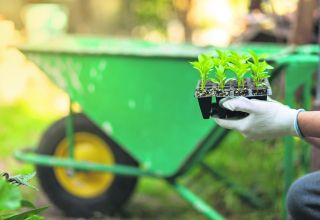
Harden off seedlings gradually before planting them outside. This means exposing them to outdoor conditions a little more each day for about a week.
4. Flower beds and borders
April is when ornamental gardens truly come alive.
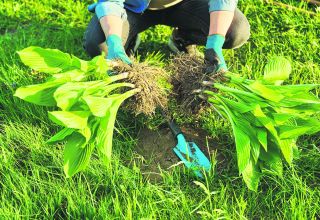
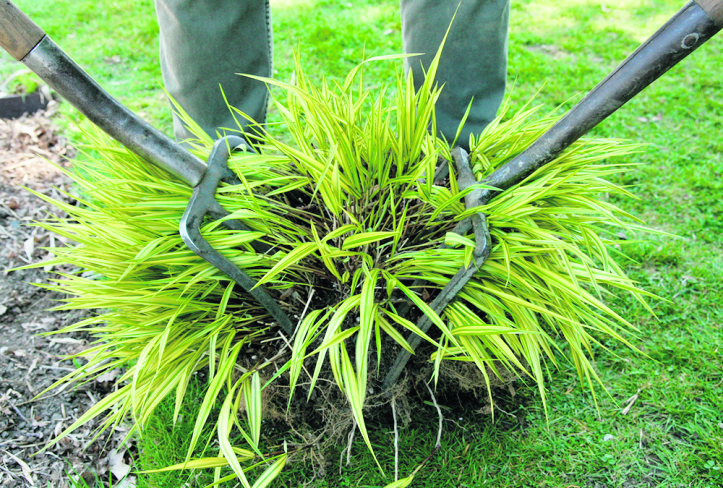
Clumps of perennials such as hostas and ornamental grasses can be divided now to rejuvenate plants and create new ones. Lift, split with a spade, and replant promptly.
Plant summer bulbs like dahlias and lilies. In colder regions, you can start them in pots under cover before transplanting outdoors later.
As perennials put on rapid growth, install supports early. Peony rings, stakes, or grow-through grids prevent flopping later.
5. Pruning Tasks
This is the month for selective pruning, though timing depends on the plant.
Roses -feed and mulch roses after pruning (if not already done). Keep an eye out for pests like aphids.
Shrubs – spring-flowering shrubs such as forsythia should only be pruned after they finish blooming. For example, once flowers fade on Forsythia × intermedia, you can cut back flowering stems to encourage new growth for next year.
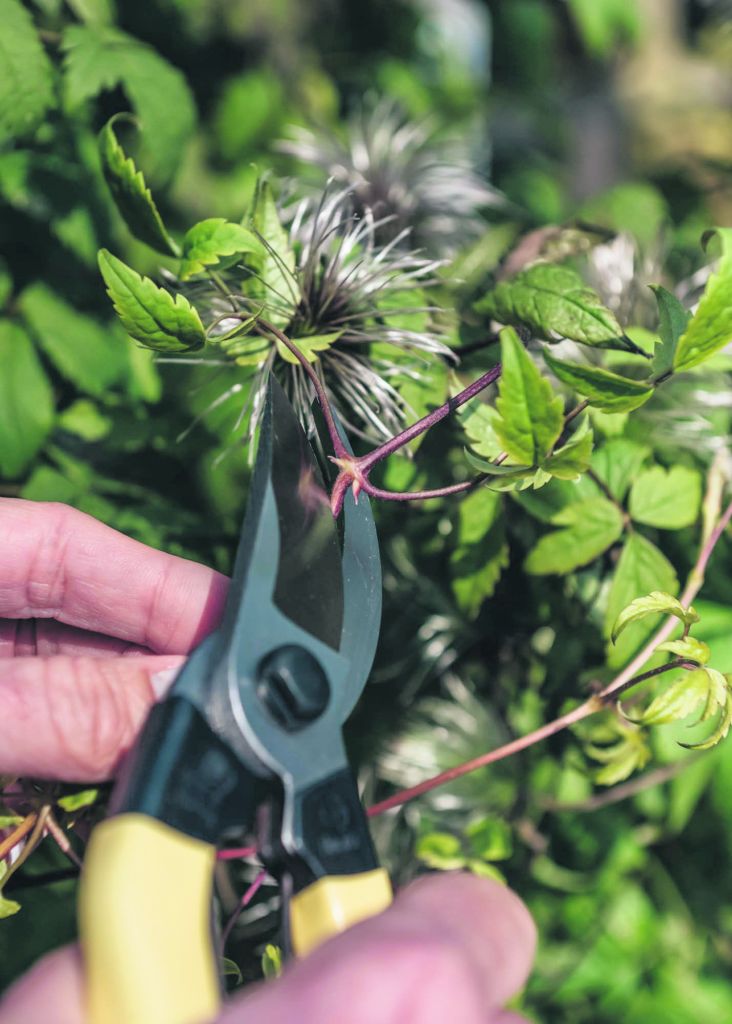
Clematis – different types of clematis have different pruning groups. Late-flowering varieties can be pruned hard in early spring, while early bloomers should not be cut until after flowering. A popular early bloomer like Clematis montana should be pruned only after its spring display.

6. Fruit garden jobs
Feed fruit trees and bushes by applying a balanced fertiliser around fruit trees and bushes to support blossom and fruit set. Late frosts can damage blossoms on trees such as Malus domestica. Cover small trees with horticultural fleece on cold nights if frost is forecast. Apply compost or well-rotted manure around the base of fruit trees and bushes, keeping it clear of the trunk.
7. Greenhouse and indoor tasks
If you have a greenhouse, April is a transitional month.
As days warm, ventilate regularly to prevent overheating and fungal diseases.
Cucumbers, courgettes, and sweetcorn can be started indoors for transplanting after frost risk passes. Move young plants into larger pots before they become root bound.
8. Start early with strawberries
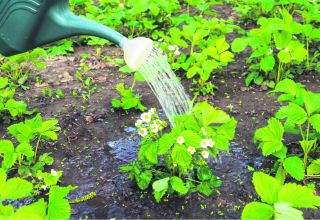
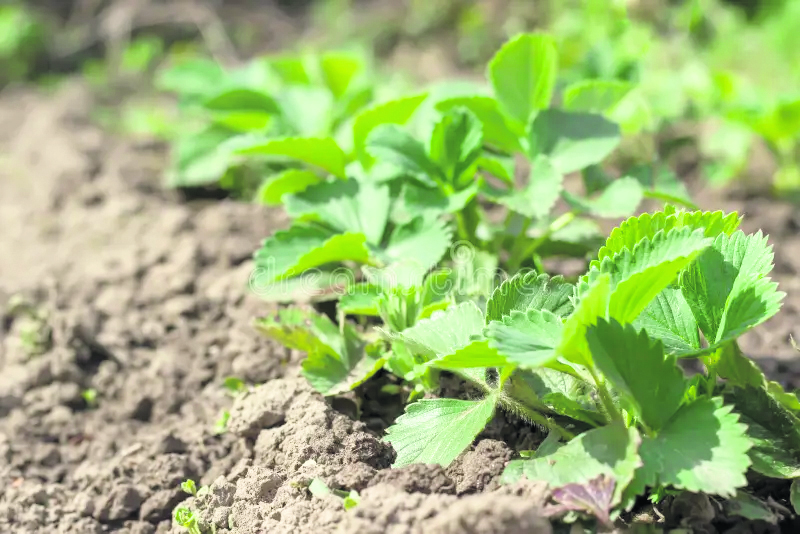
Grow strawberries in early spring by planting bare-root or potted plants in sunny, well-drained, slightly acidic soil, spacing them 45cm apart. Key spring actions include tidying old foliage, applying a high-potash fertiliser, and mulching with straw to keep fruit clean. Water consistently and protect blooms from frost.
9. Container gardening
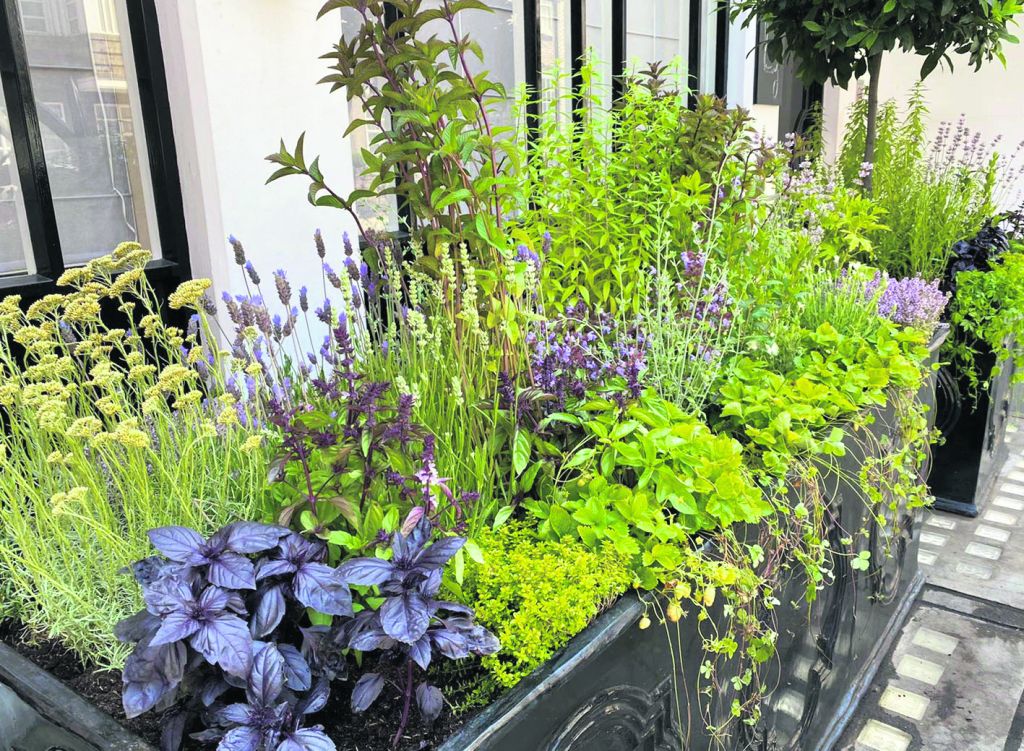
Growing plants in containers is a great way to get a headstart on the gardening season before spring arrives. Whether you want to add a dose of cheerful colour to your garden or front door, the key is choosing varieties that tolerate cooler weather.
Beyond the usual suspects, like spring bulbs or hardy pansies and violas, there are plenty of other options that you might not consider – including edible plants. The best thing? If there is a sudden cold snap, all you have to do is bring the containers indoors until temperatures warm up again.
You don’t have to wait until summer to get a herb garden going. While woody varieties like rosemary and thyme are commonly grown in cooler weather, basil, mint and coriander can also work well in pots during this time.
They’re nice to have in containers because you can have them close to the house for easy kitchen access.
You might think it is too early to plant delicate greens like rocket, spinach and lettuce, but you can start growing them in containers after the last frost has passed.
Harvesting the leaves is easy and fun. You can cut the outer leaves for your salad or sandwich, and they’ll continue to grow. A few weeks later, you can cut them again.
10. Wildlife-friendly tasks
This is also a wonderful time to support garden wildlife.
Install bird feeders and baths:
Clean feeders regularly to prevent disease.
Create habitats:
Log piles, insect hotels, and small ponds encourage biodiversity.
Delay hedge cutting:
Check for nesting birds before trimming hedges.
Gardens filled with pollinator-friendly plants will benefit bees emerging from winter. Early bloomers like crocus and lungwort provide vital nectar.