Often great value for money, easy to care for, needing less attention and great survivors, more gardeners are turning to hardy plants in their garden to make life a little easier.
Hardy plants are tough survivors in any garden. And they are hugely popular for that very reason.
Why? It’s something to do with the fact they can survive difficult weather conditions and require very little maintenance. They tolerate cold temperatures, strong winds, periods of drought, and poor soil conditions better than many other garden plants.
So, no garden can really be without them.
One of the main reasons hardy plants are so popular is that they are easy to care for. They need less watering, feeding, and protection from the weather than more delicate species. This makes them ideal for people who want an attractive garden but do not have a lot of time to spend on maintenance. Their ability to survive challenging conditions also means gardeners are less likely to lose plants during harsh winters or dry summers, saving both money and effort.
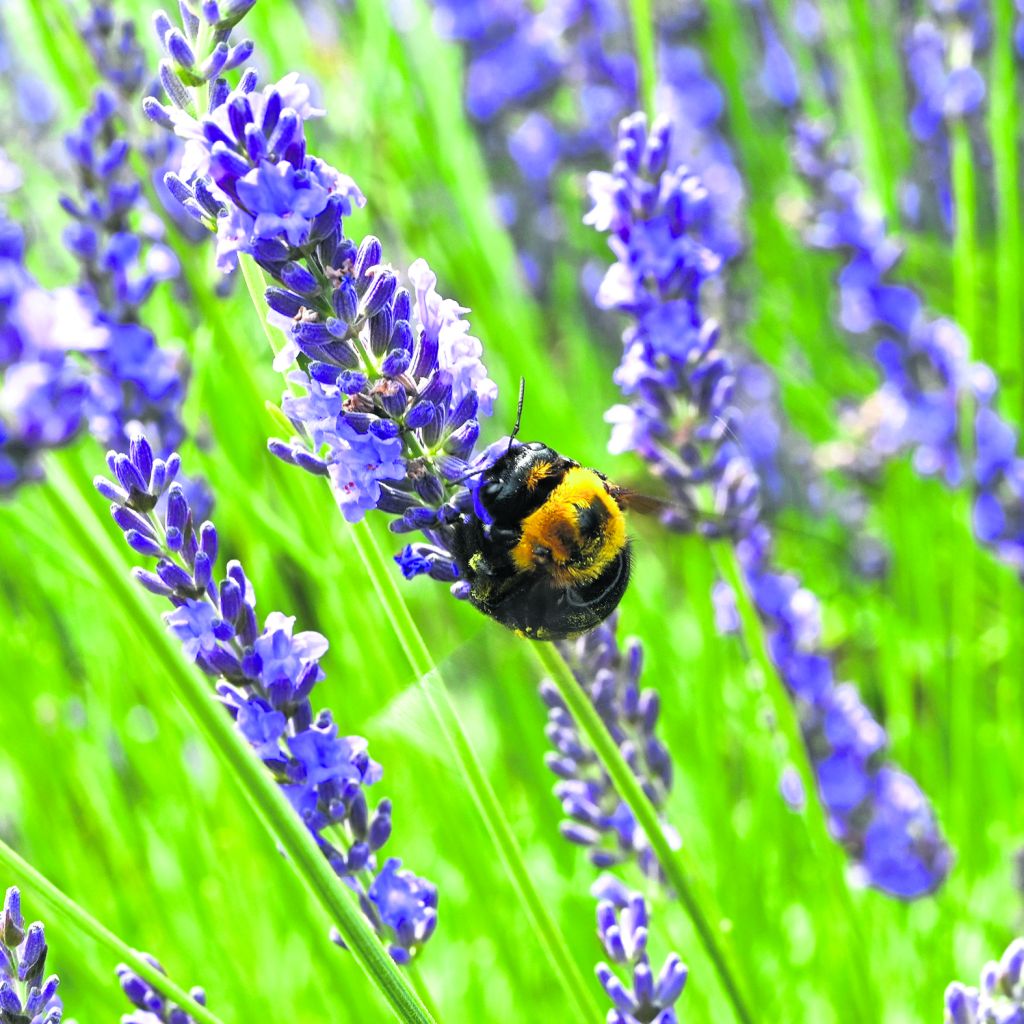
Lavender
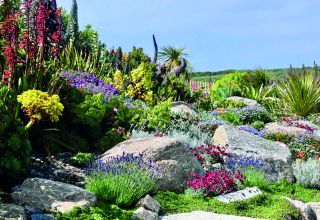
One of the most popular hardy plants is the lavender plant (Lavandula). Lavender is a compact shrub with silvery-green foliage and fragrant purple flowers that bloom during the summer months. It thrives in well-drained soil and sunny locations and is particularly valued for its pleasant scent. Lavender is popular because it attracts bees, butterflies, and other pollinators, making it beneficial for wildlife-friendly gardens.
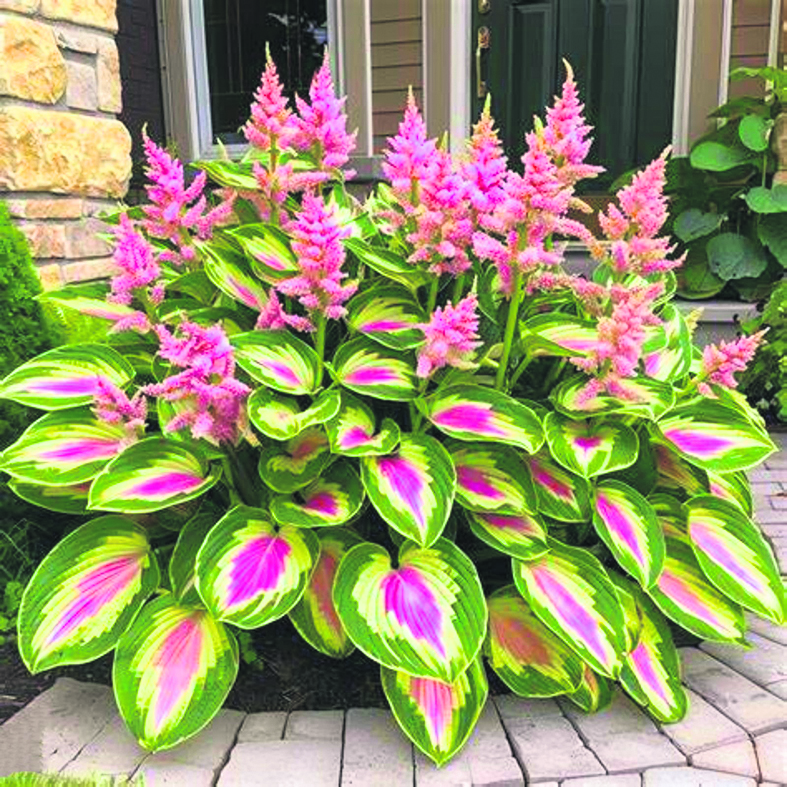
Hostas
Another excellent hardy plant is the hosta (Hosta species). Hostas are grown primarily for their attractive foliage, which comes in shades of green, blue, yellow, and variegated patterns. They are ideal for shaded areas where many flowering plants struggle to grow. Hostas are popular because they provide texture and visual interest throughout the growing season.
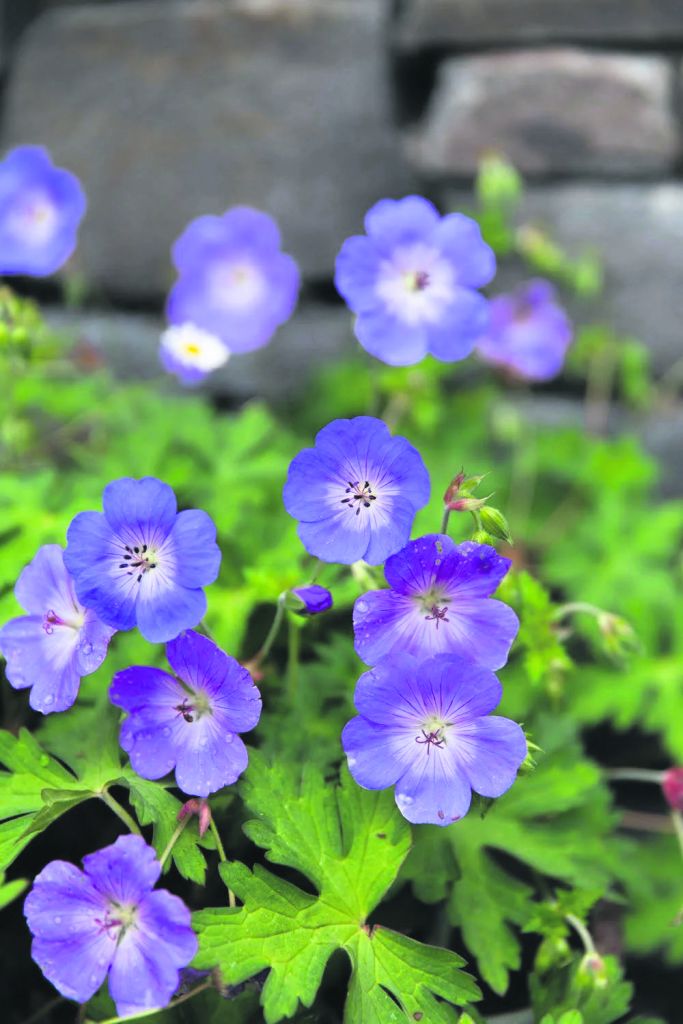
Hardy geraniums
The hardy geranium (Geranium species), often known as the cranesbill, is another favourite among gardeners. Unlike bedding geraniums, hardy geraniums are perennial plants that return year after year. They produce masses of colourful flowers in shades of pink, purple, blue, and white. Hardy geraniums are popular because they flower over a long period and require very little maintenance. They spread effectively, helping to suppress weeds and fill gaps in borders.
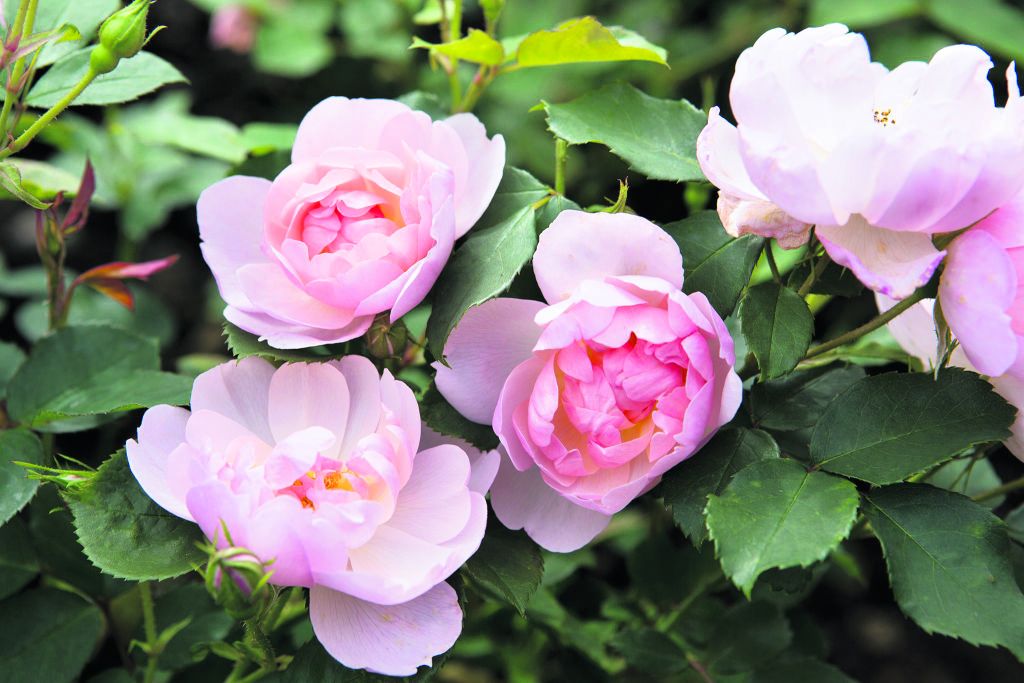
Hardy shrub roses
Roses, particularly hardy shrub roses, remain one of the most widely grown garden plants. These roses produce beautiful flowers in a wide range of colours and often have a delightful fragrance. Modern hardy varieties have been bred for disease resistance and resilience to challenging weather conditions.
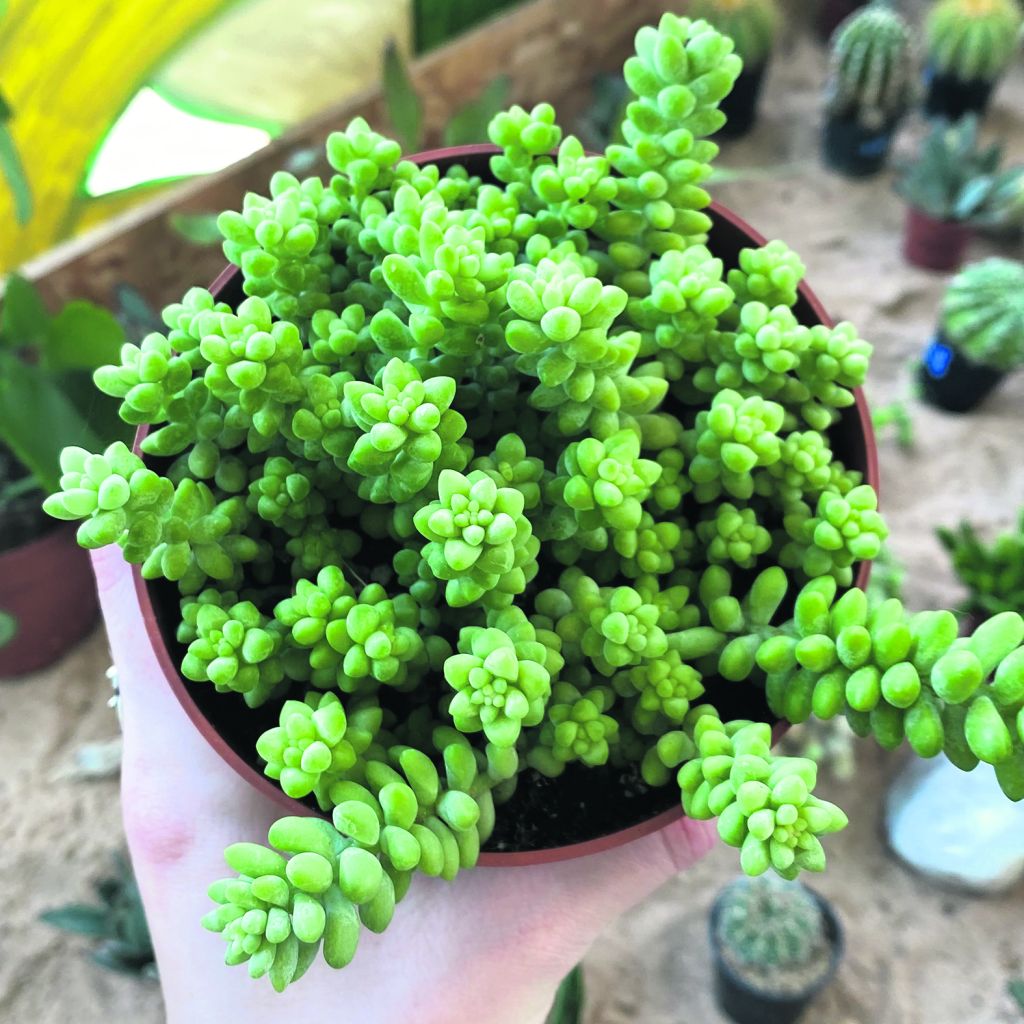
Sedum
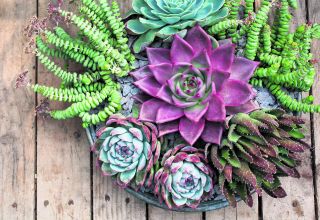
Sedum, now often classified as Hylotelephium, is another hardy perennial that is highly valued. Sedums have fleshy leaves and clusters of star-shaped flowers that appear in late summer and autumn. These plants are drought tolerant and thrive in poor soils where many other plants would struggle. Sedums are popular because they provide colour late in the gardening season and attract pollinating insects. Their ability to withstand heat, cold, and dry conditions makes them ideal for low-maintenance gardens.
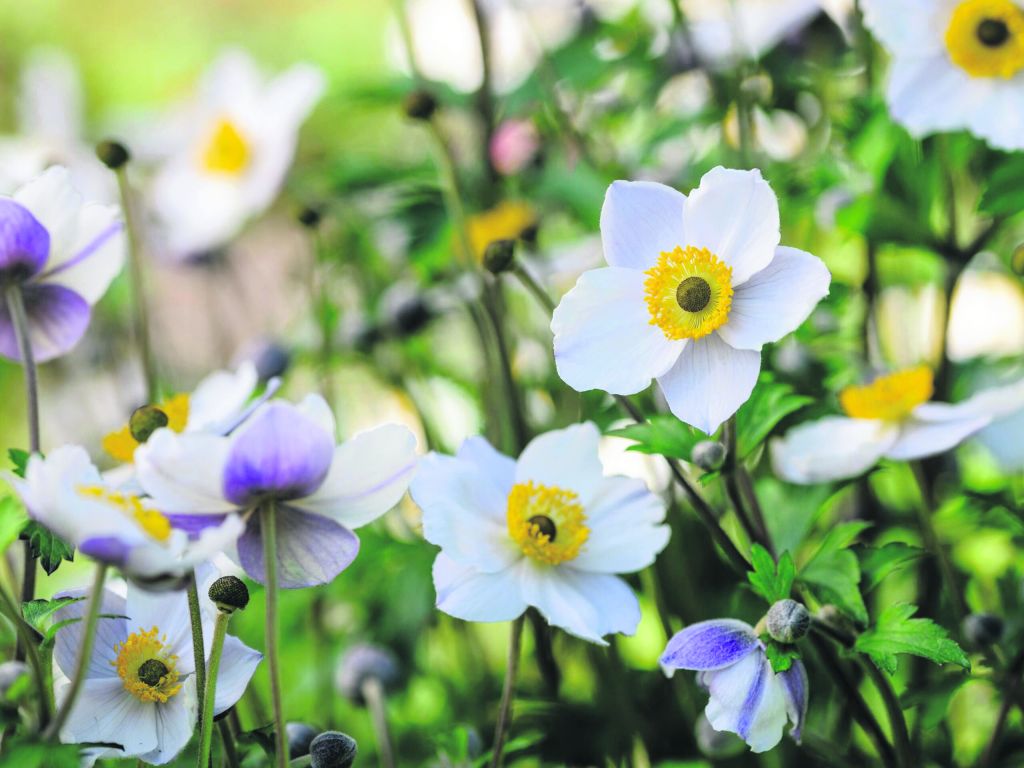
The Japanese anemone
Anemone hupehensis is a hardy perennial known for its graceful flowers that bloom in late summer and autumn. The flowers are usually pink or white and rise above attractive green foliage on tall stems. Japanese anemones are popular because they extend the flowering season when many other plants have finished blooming.
Ecinacea/ Coneflowers
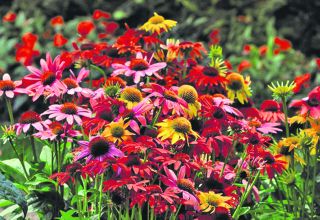
Coneflowers (Echinacea species) are also excellent hardy plants. They produce large daisy-like flowers with raised central cones and come in various colours, including purple, pink, white, orange, and yellow. Coneflowers are popular because they attract bees and butterflies while providing striking displays in flower borders.
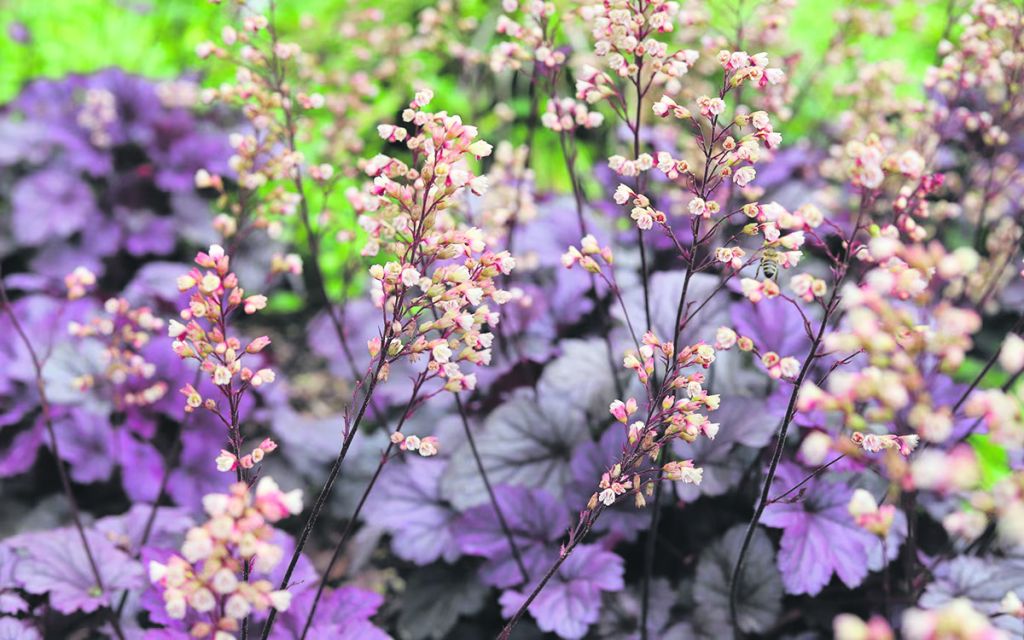
Heucheras
Heuchera, commonly known as coral bells, is another hardy perennial prized for its colourful foliage. The leaves come in shades ranging from deep purple and bronze to lime green and silver. Small flowers appear on delicate stems above the foliage during the summer months. Heucheras are popular because they offer year-round interest and work well in borders, containers, and mixed plantings.
Hardy fuchsias
Hardy fuchsias are shrubs that produce elegant hanging flowers throughout summer and autumn. Unlike tender fuchsias that require protection from frost, hardy varieties can survive winter outdoors in many regions. They are popular because of their long flowering period and colourful blooms, which attract pollinators.
Peony
One of the most iconic hardy plants is the peony (Paeonia species). Peonies are known for their large, spectacular blooms and glossy foliage. They can live for decades when established and often become more impressive with age. Peonies are popular because they provide stunning displays of flowers and require very little maintenance once settled. Their hardiness and longevity make them excellent investments for any garden.
Hardy plants are important because they reduce the amount of effort required to maintain a garden. They are generally more resistant to pests, diseases, drought, frost, and other environmental challenges. This means gardeners spend less time replacing damaged plants and more time enjoying their gardens.
In addition, hardy plants provide long-term value. Many are perennial, meaning they return every year without the need for replanting. This makes them economical choices for gardeners and contributes to sustainable gardening practices. Hardy plants also support wildlife by providing nectar, pollen, shelter, and food for insects, birds, and other creatures.