Autumn is one of the busiest and most important times of the year. The days become shorter and temperatures begin to fall, plants start preparing for winter, leaves change colour and eventually drop, and the garden begins to slow down. Although there may be fewer flowers and less growth than in spring and summer, there are plenty of important jobs to complete.
The work carried out during autumn can help keep the garden healthy through winter and ensure that it is ready to flourish again in spring. Autumn is far more than simply a season for sweeping up leaves. It is a time for preparing the garden for winter, improving the soil, planting for spring and protecting plants and wildlife.
Jobs such as clearing leaves, maintaining lawns, planting bulbs, pruning, composting, protecting tender plants and maintaining tools all contribute to the long-term health of the garden. Autumn gardening may sometimes feel like a period of tidying up after summer, but much of the work done at this time lays the foundations for the following year’s growth. By taking the opportunity to care for the garden during autumn, you can enjoy a healthier, more productive and more attractive outdoor space when spring arrives.
1. Clearing fallen leaves
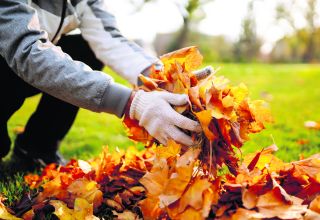
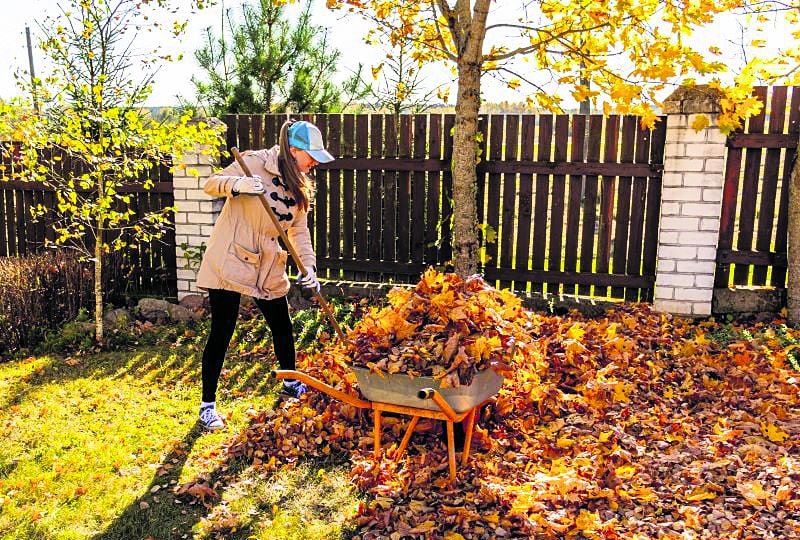
This is one of the most important jobs. It’s not glamorous but failing to do it causes real problems around the garden. Trees and shrubs can produce large quantities of leaves, which can quickly cover lawns, flower beds, paths and patios. Leaving thick layers of leaves on a lawn can block sunlight and air from reaching the grass, causing it to become weak, yellow or diseased. Regularly raking or collecting leaves helps keep the lawn healthy. However, fallen leaves are not waste. They can be added to a compost heap or used to make leaf mould, which eventually produces a useful soil improver. Some leaves can also be left in borders to provide shelter for insects and other wildlife.
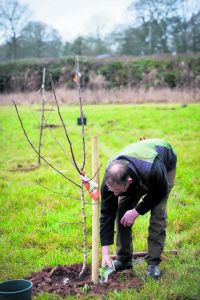
2. Plant trees and shrubs
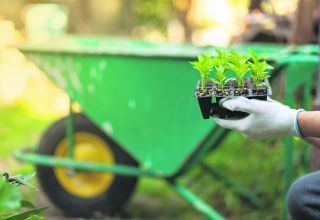
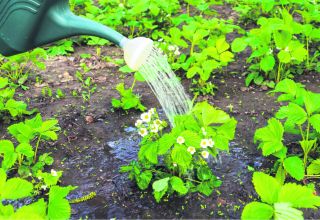
Autumn is the right time for planting trees and shrubs. The soil is often still warm, while autumn rainfall provides moisture. This gives newly planted trees and shrubs time to establish their roots before the demands of the following summer. When planting, gardeners should choose a suitable position and make sure the plant has enough space to grow. Adding compost or well-rotted organic matter to the soil can improve its structure and provide nutrients. Newly planted specimens should be watered thoroughly, especially if the weather remains dry.
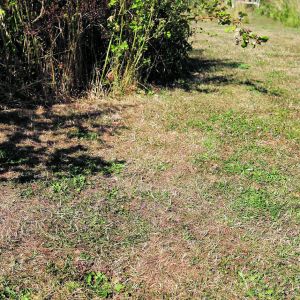
3. Time to try and get the lawn back to its former glory
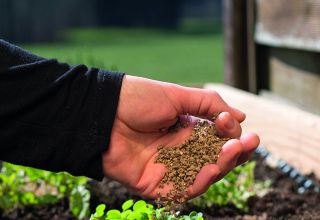
It is fair to say it hasn’t been an easy summer for our lawns. Heatwaves, droughts and poor growing conditions generally have meant brown lawns with lots of worn patches. Autumn is still a good time to give grass some attention before winter arrives. The odd days of rain in late August and early September means the grass has finally started to grow but there’s a long way to go before lawns are back to any pleasing standards. Raking is important as there will be more than average dried and dead grass to clear out and scarifying the surface and aerating compacted soil can improve drainage and allow air and nutrients to reach the grass roots. Bare or damaged patches can also be repaired by sowing new grass seed while the soil is still relatively warm and moist. These jobs can result in a stronger, healthier lawn over the next few weeks and certainly for spring.
4. Get ready for the drop in temperatures
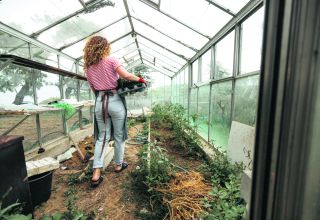
Preparing plants for cold weather and frost is particularly important. Some plants, especially tender varieties, may not survive freezing temperatures. Containers containing tender plants can be moved into a greenhouse, conservatory or other sheltered location. Plants that remain outside may need protection with horticultural fleece or other suitable materials. Pots should also be checked to make sure they have good drainage, because waterlogged compost can freeze and damage roots. Raising containers slightly from the ground can help excess water escape.
5. Plant spring-flowering bulbs
This is another classic autumn job. Bulbs such as daffodils, crocuses, tulips and hyacinths are planted during autumn so that they can establish roots before winter. They remain dormant underground during the coldest months and then produce flowers when spring arrives. Planting bulbs in groups or natural-looking clusters can create an attractive display. Gardeners should generally plant bulbs at a suitable depth according to the instructions for the variety and choose a position with appropriate light and drainage.
6. Wildlife watch
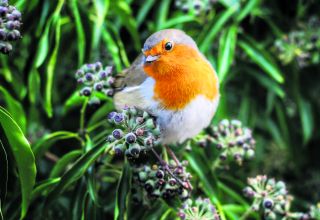
Gardeners should also think about wildlife during autumn and winter. A tidy garden is not always the best garden for wildlife. Leaving some fallen leaves, seed heads, hollow stems and small piles of natural material can provide valuable shelter for insects and other creatures. Bird feeders can be kept topped up as natural food becomes harder to find. Providing fresh water is also helpful. Avoiding excessive clearing allows the garden to remain a useful habitat throughout the colder months.
7. Divide and move established perennial plants
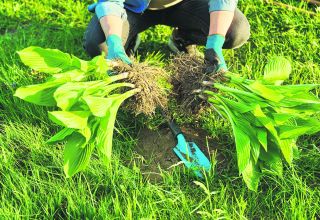
Autumn is also a useful time to address perennials that have become overcrowded can sometimes be lifted and divided into smaller sections. This gives each section more space and can help rejuvenate plants that have become less vigorous. Dividing plants also provides gardeners with additional plants for other areas of the garden. It is important to check the needs of individual plants, however, as not every perennial should be divided at the same time of year.
8. Start planning for next year spring bulbs
It is a wise old gardening saying that it is never too early to start planning for next year’s garden. Once the busy summer growing season has finished, gardeners can think about what worked well and what could be improved. It is useful to make notes about successful plants, areas that need redesigning and crops that produced good harvests. Ordering seeds and planning new planting schemes during the quieter months can make spring much easier. Gardeners can also consider adding plants that provide flowers at different times of the year, helping create a garden that is attractive for longer.
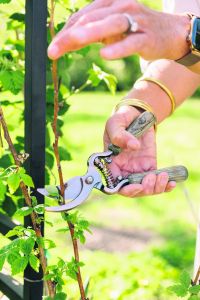
9. Pruning is the key task of the next few weeks
We all need to be selective about what to cut back. Dead, damaged or diseased growth can often be removed to improve the health and appearance of plants. Some shrubs and trees benefit from pruning at particular times of year, while others should be left until winter or spring. Over-pruning can remove valuable habitats and reduce food and shelter for wildlife, so it is often better to leave healthy stems and seed heads in place where possible. These can provide winter interest as well as food and shelter for birds and insects.
10. The vegetable garden requires autumn care
Crops that are ready for harvesting should be collected before severe frost damages them. Autumn is a good time to clear diseased plants and remove weeds, while healthy plant material can often be composted. Some vegetables, including certain varieties of onions, garlic, broad beans and winter salads, can be planted or sown during autumn for harvesting later. Protecting crops with fleece, cloches or other suitable coverings can extend the growing season and protect plants from harsh weather.