
As spring reaches its peak and summer begins, May is one of the busiest and most rewarding months. The soil is warming, plants are growing vigorously, and the risk of frost is diminishing. This combination creates ideal conditions not only for planting but also for maintaining and preparing the garden.
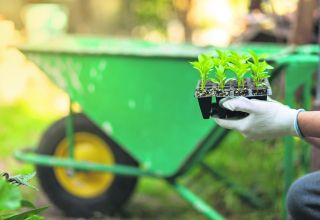
One of the most important jobs in May is planting. The ground has usually warmed enough to support a wide variety of seeds and young plants. Gardeners often focus on sowing as carrots, lettuce, beans, and courgettes directly into the soil. At the same time, tender plants that were started indoors or in greenhouses—like tomatoes, peppers, and cucumbers—can begin to be hardened off and gradually introduced to outdoor conditions. This process involves exposing them to the elements for increasing periods each day, allowing them to adjust without shock.
Even if planting is already underway, maintaining soil health remains critical. Gardeners often incorporate compost or well-rotted manure into beds to replenish nutrients depleted over winter and early spring.
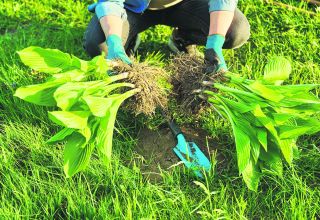
Weeding is another major job. Weeds grow rapidly and compete with cultivated plants for nutrients, light, and water. You should weed little and often, removing young weeds before they establish deep roots. This task, while sometimes seen as tedious, is crucial.
1. Get your plant supports in place for later in the summer
Many border plants will need support to help them to perform best.
The key is to do this early on, so they grow through and around the frame you are using, giving them a more natural look.
Taller, more fragile, herbaceous plants, such as delphiniums and peonies, are best suited to metal link stakes, which come in various heights and link together to strengthen the support they offer. Often green in colour, these blend in and do not detract from the glorious blooms above.
Annuals like sweet peas, like to climb on branches of hazel or silver birch woven into artistic structures.
2. Looking forward – plan for your tulip harvest next spring
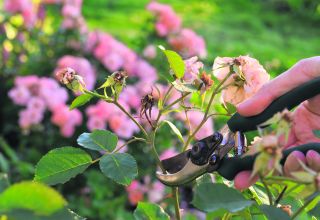
Tulips can be kept in the soil all year round to reflower the following year, but you may find they don’t put on as much of a display and may be shorter and have smaller flowers than previously. To prevent this, it’s important to ensure as much energy as possible from the leaves is returned to the bulbs. Deadhead plants after flowering to stop them wasting energy on producing seed (the exception to this rule is for species tulips, which should be left to develop seed and naturalise around your garden). Don’t cut back foliage until it has turned yellow, which will be about six weeks after flowering.
3. Sow fast-growing annuals
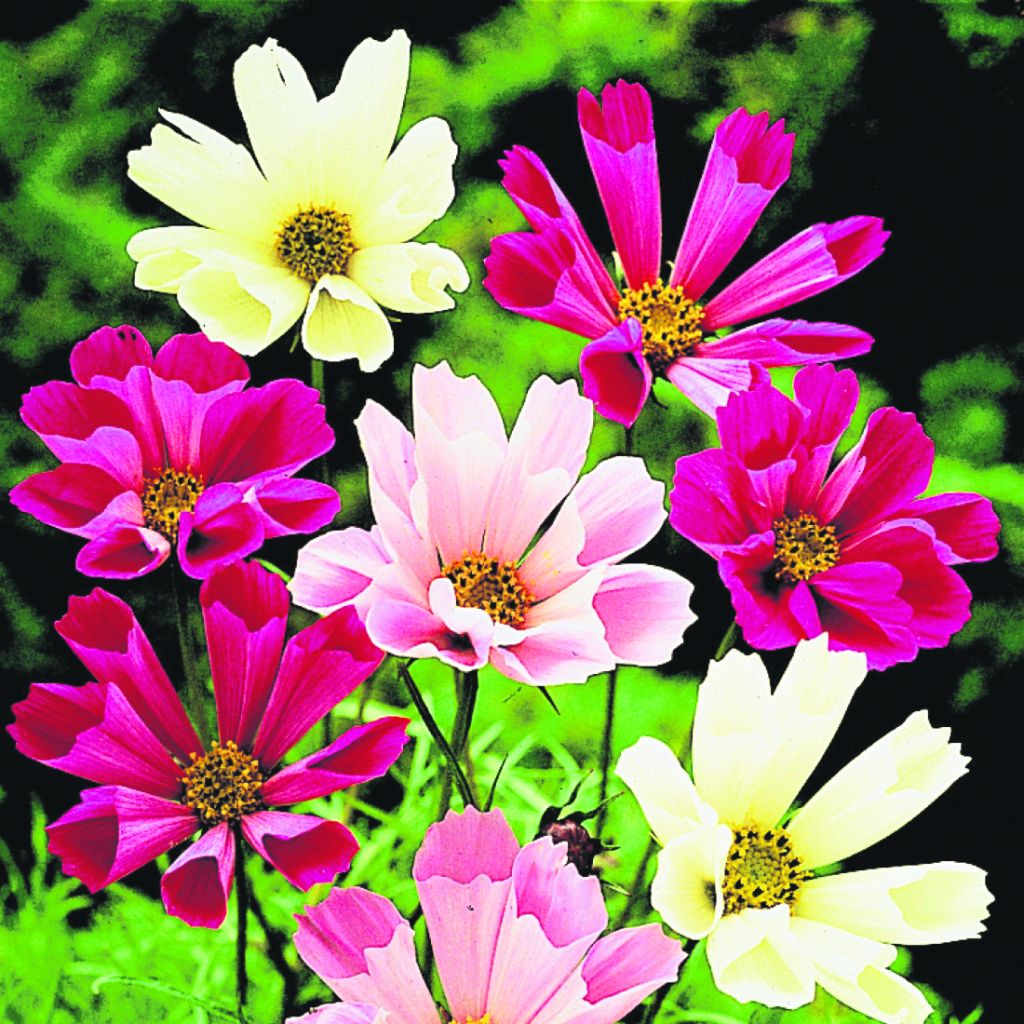
There’s still time to sow fast-growing annuals to flower this year. Choose from clarkia, Virginia stock, candytuft and calendula (pot marigold) to fill empty spaces. they should flower within ten to 12 weeks.
Most bedding plants will last all summer if you look after them. Don’t let them dry out, especially if they’re planted in containers and hanging baskets. If you want value for money, look for bedding plants that flower from May or June right into autumn. Bedding plants that flower for the longest time include cosmos, begonias and geraniums. Check the plant label for flowering times when you buy.
4. Time to sow sweetcorn
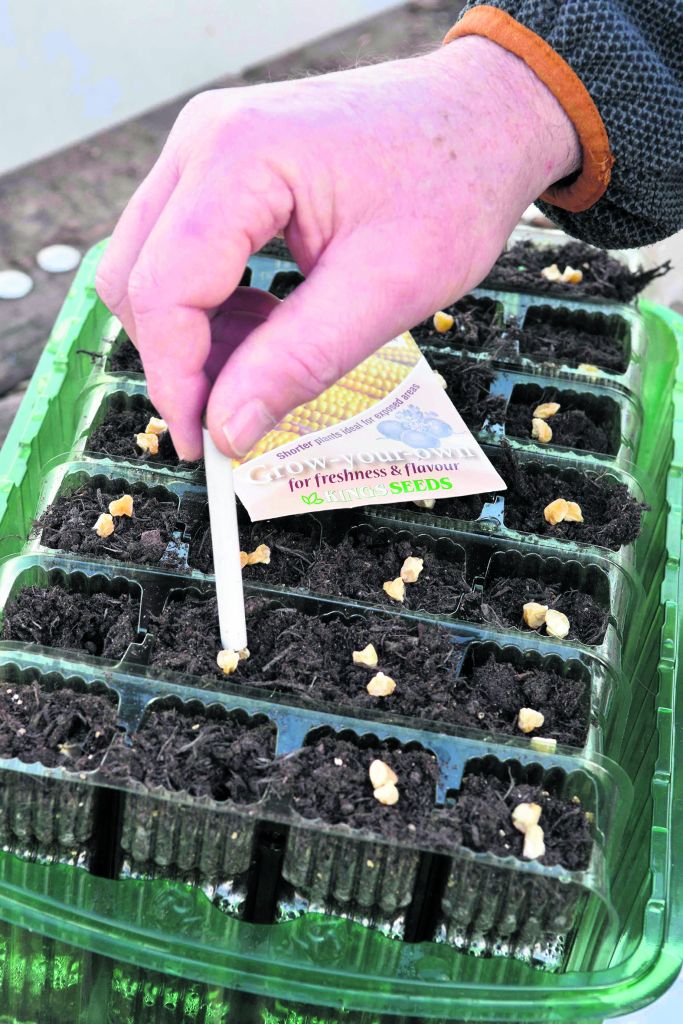
Sweetcorn seed needs to be sown in small pots or modules ready for planting out in a few weeks when all risk of frost is passed. Sweetcorn is wind pollinated so plant in blocks, rather than rows. Water plants regularly and consider mulching around the base of each plant to lock moisture into the soil. Harvest the sweetcorn cobs when the silky tassels turn brown and the kernels, when pressed with a thumbnail, exude a milky liquid.
5. Watering is a key task
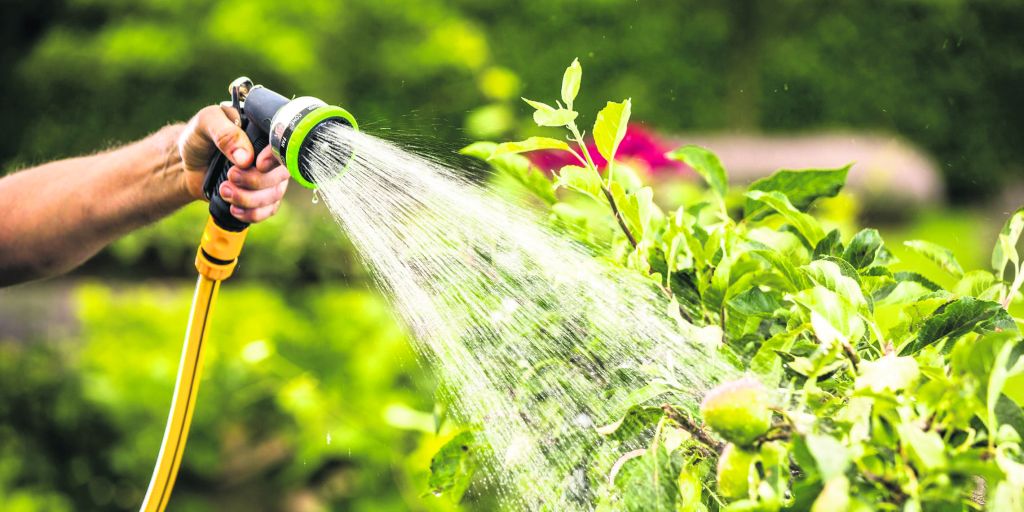
Watering the garden is one of the most important gardening jobs to do in May as plants and vegetables put on so much growth. You should focus on anything that you have recently planted in your borders and containers and hanging baskets. It is better to water borders thoroughly once a week than a splash of water every day. However, containers need watering at least once a day. Ensure that the water is directed at the soil rather than on the plant leaves to avoid scorching, which will damage the plant.
6. Tending tomatoes
Whether you’re growing cordon or bush varieties, your plants will be taking on a lot of growth and producing trusses in May. Pinch out side-shoots, and ensure your plants are secure, and cordon tomatoes are tied in. With flowers on the plant, this is the time to start giving your tomatoes a weekly potash feed to encourage the fruit to swell. This also applies to peppers, aubergine, and chilli plants.
7. Look out every day for pests
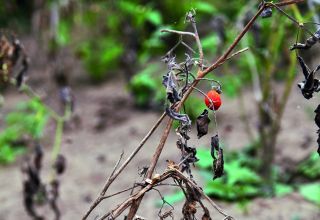
Pests and diseases will be at their worst, so keep a lookout. If you’ve been growing lilies, check foliage for the dreaded lily beetle, and if found remove and dispose accordingly. Red mite may start appearing in greenhouses, so it’s a good idea to dampen down the paths each day to deter them and keep doors and windows open for plenty of ventilation.
8. Think about autumn planting
It’s hard to fathom, but in a few months, autumn will be here, so consider sowing some of those autumn plants, such as pansies and polyanthus. Simply sow seeds onto a tray of fine compost, water and cover lightly. Then place in your greenhouse. Check trays regularly to ensure germination has occurred, and don’t let seedlings dry-out.
9. Take cuttings of dianthus
Dianthuses are very popular plants due to their spicy clove scent. June is a good time to take cuttings of these plants. Take the cuttings from young non-flowering shoots cutting about five leaf pairs from the tip. Pull off the bottom pair of leaves and place the cuttings round the edge of an 8cm pot filled with compost. Water in gently and keep in a shady place. Do not cover as the cuttings may go mouldy.

10. Sunflowers and more sunflowers!
If you want a bloom that truly captures the summer, then nothing says it better than a vibrant sunflower. They can be sown directly into the soil, where they will quickly germinate and grow. There’s a number of new varieties on the market including the increasingly popular smaller multi flower varieties.
11. Taking softwood cuttings
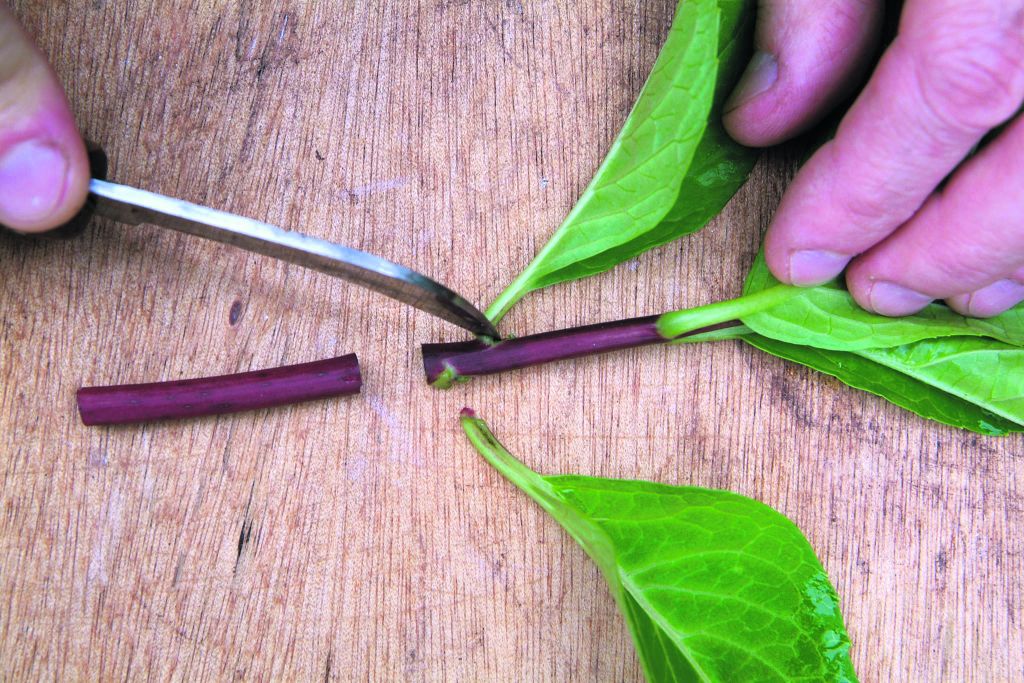
May is a great month to take softwood cuttings from lavender, forsythia and fuchsia. Take 10cm cuttings from the tips of your chosen shrub, making a sharp horizontal cut just below a pair of leaves, and remove any lower set of leaves or buds.
Fill a small pot with gritted compost, and push the cuttings in, parallel to the side of the pot. Space cuttings equally, water and place in a greenhouse or warm windowsill.
If you’re lavender is flowering, then take cuttings and bring indoors. Simply bunch together, tie and suspend somewhere where you can enjoy its fragrance.
12. Action on the fruit front
Don’t allow black, red, or white currants to dry out during warm weather or your crop will be spoilt. Water every seven days, depending on the weather. Water potted plants before the compost dries out.
Tidy up early fruiting strawberries. After you have picked the last fruit, cut back foliage to about two inches, exposing fresh leaves. Give plants a boost with a general-purpose fertiliser.
Apple crops can be ruined by codling moth caterpillars tunnelling through the fruit. Reduce damage by hanging pheromone traps in trees to lure away male moths.
Protect fruit bushes from birds by covering them with netting.
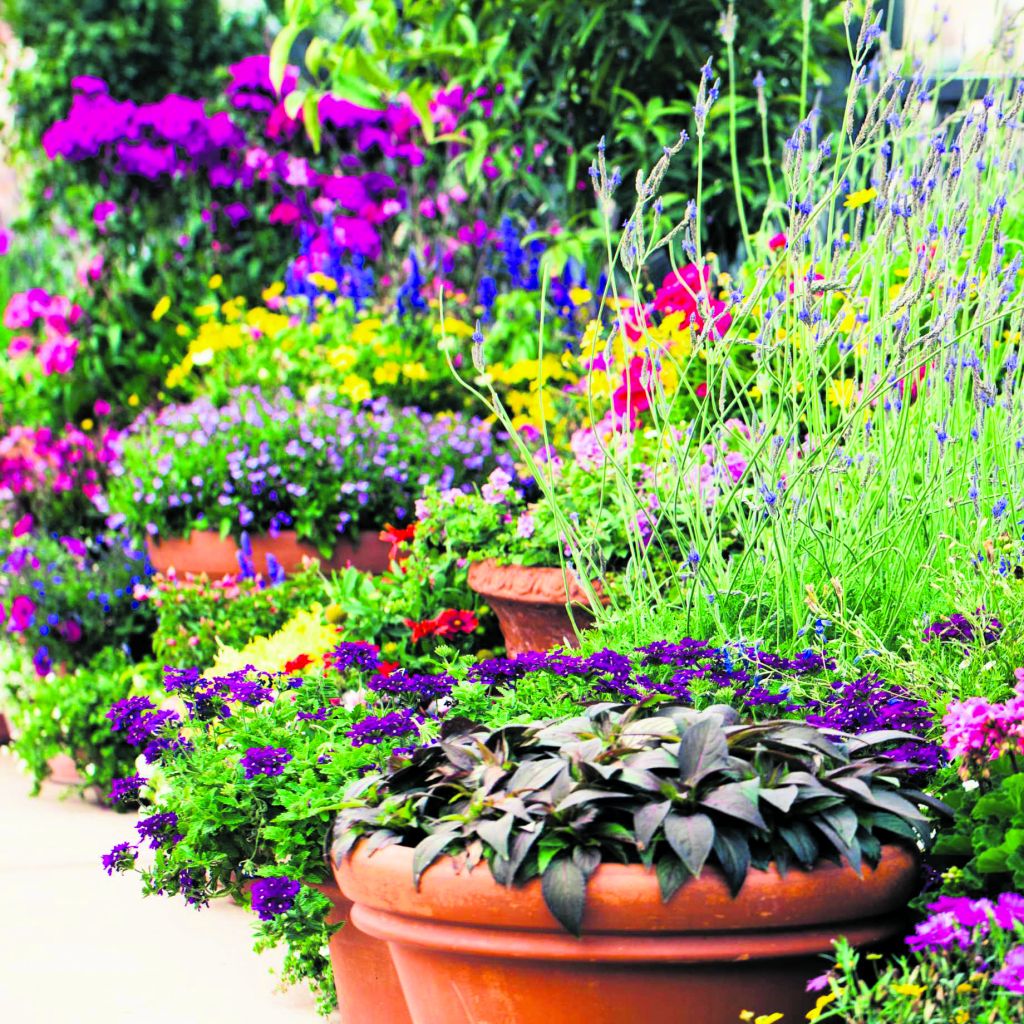
13. Don’t forget your pots
Feed fuchsias, petunias, and any other flowering plants with a fertiliser once a week to boost flowering. start feeding when you notice buds forming on the plants and continue until the plants run out of steam in early autumn.
Give tuberous begonias a boost by removing female flower buds to allow the plant to put all its energy into producing attractive male flowers. Female flowers are easily recognisable, as the blooms are single, smaller, and less showy.