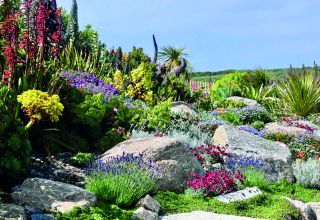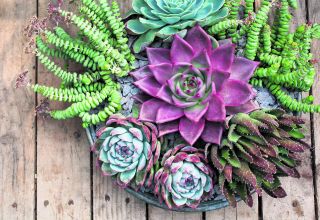
More than ever before, gardeners are about to respond to climate change and that means choosing plants to suit local conditions, focusing on drought tolerant species and using mulches and soil amendments to retain moisture.
Trends will also see more moves towards planting pollinator friendly flowers, installing bee hotels and creating wildflower meadows instead of monoculture lawns.
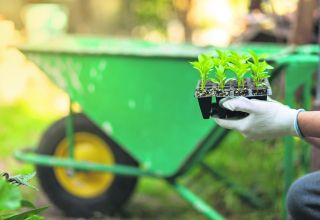
Growing vegetables is likely to be more focussed on more of us growing food not flowers. Gardeners will continue to prioritise soil building through compost, less digging, cover crops and organic additions.
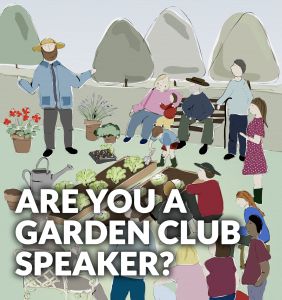
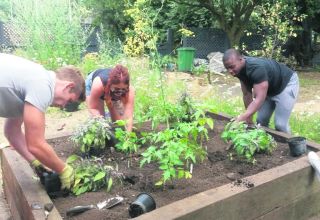
Community gardens are set to prosper, helping urban residents grow food, access green space and helping children learn about plants and nutrition.
Finally, gardening has become a recognised wellness practice people using gardens as spaces for stress relief, meditation and physical activity.
It is an exciting prospect.