In 2026, being a totally plastic-free gardener is not only possible — it’s easier than ever.
A decade ago, avoiding plastic in the garden meant compromise: flimsy alternatives, limited availability, and higher costs. Today with better supply chains, and innovative materials, gardeners can cultivate thriving spaces without relying on single-use pots, synthetic fabrics, or petrochemical-based tools.
Whether you’re tending a small urban balcony or a large plot, going plastic-free has become practical, affordable, and deeply rewarding.
One of the biggest historical sources of plastic in gardening was plant pots and seed trays. Walk into most garden centres in 2015 and you would find stacks of black plastic containers. In 2026, the situation looks very different.
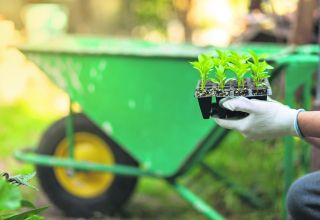
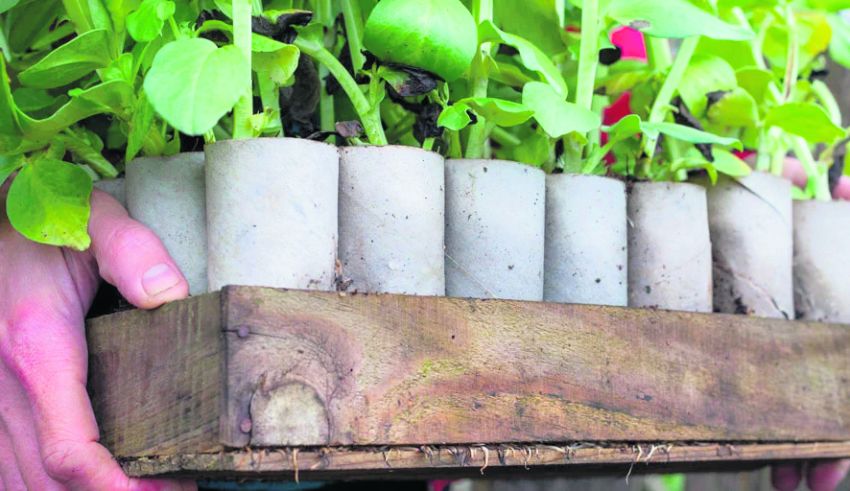
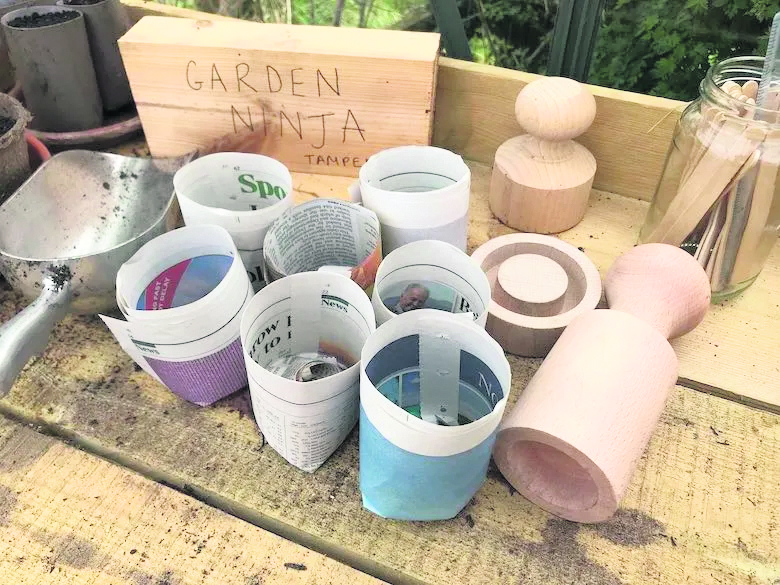
Nurseries increasingly offer plants in biodegradable pots made from coir (coconut fiber), compressed wood pulp, rice husks, or even mycelium. These pots can be planted directly into the soil, where they naturally decompose. For seed starting, gardeners can use soil blocks—a method popularised by growers who prefer to eliminate containers entirely. A simple metal soil blocker creates compact cubes of growing medium that hold their shape without any plastic tray. Alternatively, homemade newspaper pots or recycled cardboard egg cartons work perfectly for starting herbs and vegetables.
Composting is another area where plastic once dominated, particularly in the form of compost bins and synthetic liners. Today, wooden compost bins made from reclaimed timber or sustainably sourced cedar are widely available and long-lasting.. For kitchen scraps, stainless steel countertop containers replace plastic caddies, and compostable paper liners substitute for plastic bags. Even municipal composting programmes increasingly accept paper-based liners, further reducing reliance on plastic waste. Traditional galvanised steel watering cans are back in fashion, often passed down for decades.
Clay ollas—porous terracotta vessels buried in the soil—provide slow, efficient irrigation without a single piece of plastic. This ancient technique, used for centuries in arid regions, has found new popularity among sustainability-minded gardeners.
Mulching and weed suppression used to involve plastic landscape fabric or synthetic tarps. Now, natural alternatives are widely adopted. Cardboard sheet mulching—using plain, tape-free cardboard—suppresses weeds effectively and decomposes into the soil. Straw, wood chips, leaf mould, and wool mats serve as biodegradable weed barriers. In fact, sheep wool pellets and mats have become common in garden centres, providing moisture retention and natural nitrogen as they break down.
Tools are another success story. While plastic handles and components once dominated, manufacturers have responded to consumer demand for durable, repairable products. Stainless steel tools with ash or hickory wooden handles are widely available. Brands emphasise replaceable parts, meaning a broken handle can be swapped out instead of discarding the entire tool.
Even greenhouses and cold frames, historically dependent on plastic sheeting, now have more sustainable options. Glass has made a strong comeback, supported by improved safety treatments and modular designs. For those who need lightweight covers, reinforced cellulose-based films and woven cotton frost cloths provide seasonal protection without long-term plastic waste. Many gardeners also build cold frames from reclaimed windows, giving old materials new life.
Packaging has significantly improved as well. Seed companies increasingly ship seeds in paper envelopes without plastic linings. Bulk soil and compost can be purchased in reusable sacks or delivered loose. Some local garden centres operate refill stations for soil amendments, allowing customers to bring their own containers. This refill culture mirrors trends seen in zero-waste grocery stores and reflects a broader shift in consumer habits.
Importantly, going plastic-free no longer feels like an extreme lifestyle choice. It aligns with mainstream sustainability goals embraced by municipalities, retailers, and manufacturers. Prices of alternatives have decreased due to higher demand and scaled production. Many plastic-free options are actually more economical in the long run because they are reusable or longer-lasting.