There’s something joyous about a June garden. Annuals and perennials are bursting with colour and interest, and this is usually the best month for blooms. Flowers are starting to appear, and the harvest has started in the kitchen garden. In June, gardens are in one of their most active and demanding phases, making it a busy time for a range of gardening jobs. With longer days and warmer temperatures, plants grow rapidly, weeds thrive, and regular maintenance becomes essential to keep everything healthy and productive.
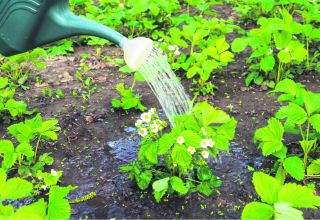
One of the main tasks in a June garden is watering. As rainfall can be inconsistent, it’s important to water deeply and regularly, especially for newly planted flowers, vegetables, and containers. Early morning or late evening watering helps reduce evaporation and ensures plants absorb moisture effectively.
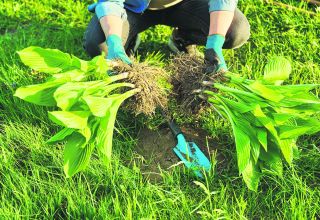
Weeding is another constant job. Weeds compete with plants for nutrients, light, and water, so removing them frequently prevents them from taking over. Mulching around plants can help suppress weeds while also retaining soil moisture.
Pruning and deadheading are also key activities. Removing spent flowers from plants like roses and annuals encourages further blooming and keeps the garden looking tidy. Shrubs that have finished flowering can be lightly pruned to maintain shape and promote healthy growth.
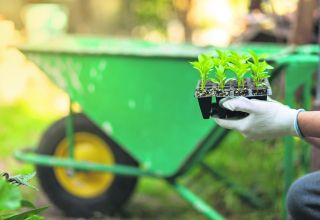
June is also a prime time for planting. Gardeners can continue sowing fast-growing crops such as lettuce, carrots, and beans, as well as planting summer bedding plants. Supporting climbing plants like tomatoes, cucumbers, and beans is important as they grow taller.
Lawn care becomes more demanding too. Regular mowing, feeding, and occasional watering help maintain a lush, green lawn. It’s best not to cut grass too short during hot periods, as slightly longer grass retains moisture better.
Finally, pest and disease control is crucial. Aphids, slugs, and fungal issues can spread quickly in warm weather, so checking plants regularly and taking action early helps prevent serious problems. Overall, June is a rewarding but busy month that sets the stage for a vibrant summer garden.
Keep on top of supporting your plants and keep an eye out for cold nights at this time of year, as some plants will still need protection.
It’s also a time to prune, mow and weed, as natural growth starts to run riot. And don’t forget to water. Watering in the hotter months is always best done in the morning or evening to avoid scorching plants in the heat of the day. Keep tubs and planting containers well-hydrated too, even in rainy weather, as much of the water runs from the leaves over the side.
1. Plants will need support in June
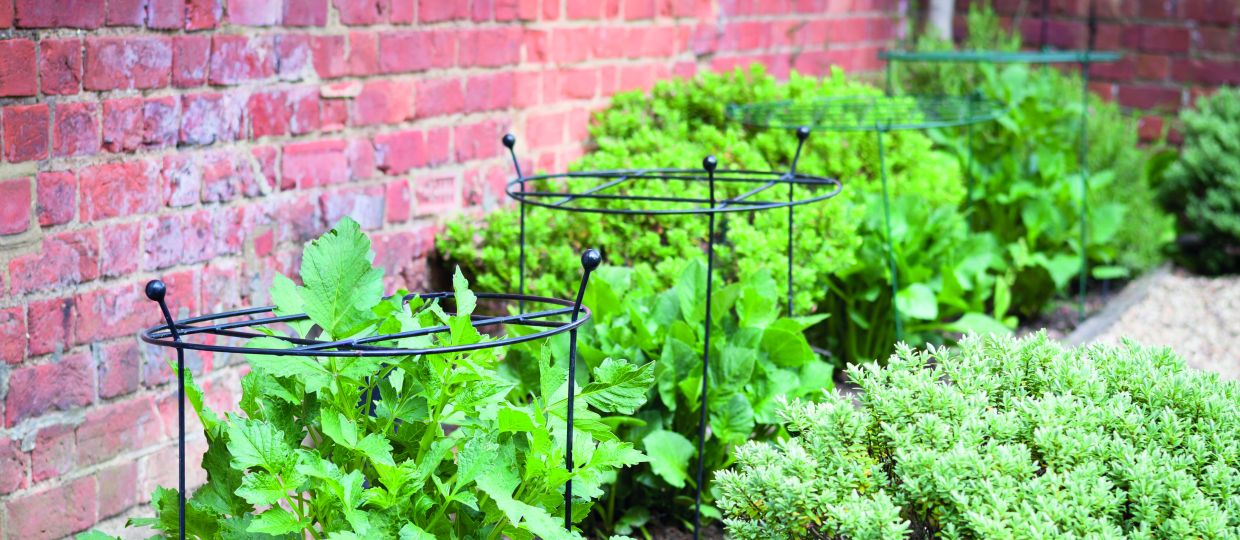
Many border plants will need support to help them to perform best as the summer takes hold.
The key is to do this early, so they grow through and around the frame you are using, giving them a more natural look.
Taller, more fragile, herbaceous plants, such as delphiniums and peonies, are best suited to metal link stakes, which come in various heights and link together to strengthen the support they offer. Often green in colour, these blend in and do not detract from the glorious blooms above.
Annuals like sweet peas, like to climb on branches of hazel or silver birch woven into artistic structures.
2. Always remember to plan ahead
Tulips can be kept in the soil all year round to reflower next year, but you may find they don’t put on as much of a display and may be shorter and have smaller flowers than previously. To prevent this, ensure as much energy as possible from the leaves is returned to the bulbs. Deadhead plants after flowering to stop them wasting energy on producing seed (the exception to this rule is for species tulips, which should be left to develop seed and naturalise around your garden). Don’t cut back foliage until it has turned yellow, which will be about six weeks after flowering.
3. The speed merchants
There’s still just enough time to sow fast-growing annuals to flower this year. Choose from clarkia, Virginia stock, candytuft and calendula (pot marigold) to fill empty spaces. They should flower within 10 to 12 weeks.
Most bedding plants will last all summer if you look after them. Don’t let them dry out, especially if they’re planted in containers and hanging baskets. If you want value for money, look for bedding plants that flower from May or June right into autumn. Bedding plants that flower for the longest time include cosmos, begonias and geraniums. Check the plant label for flowering times when you buy.
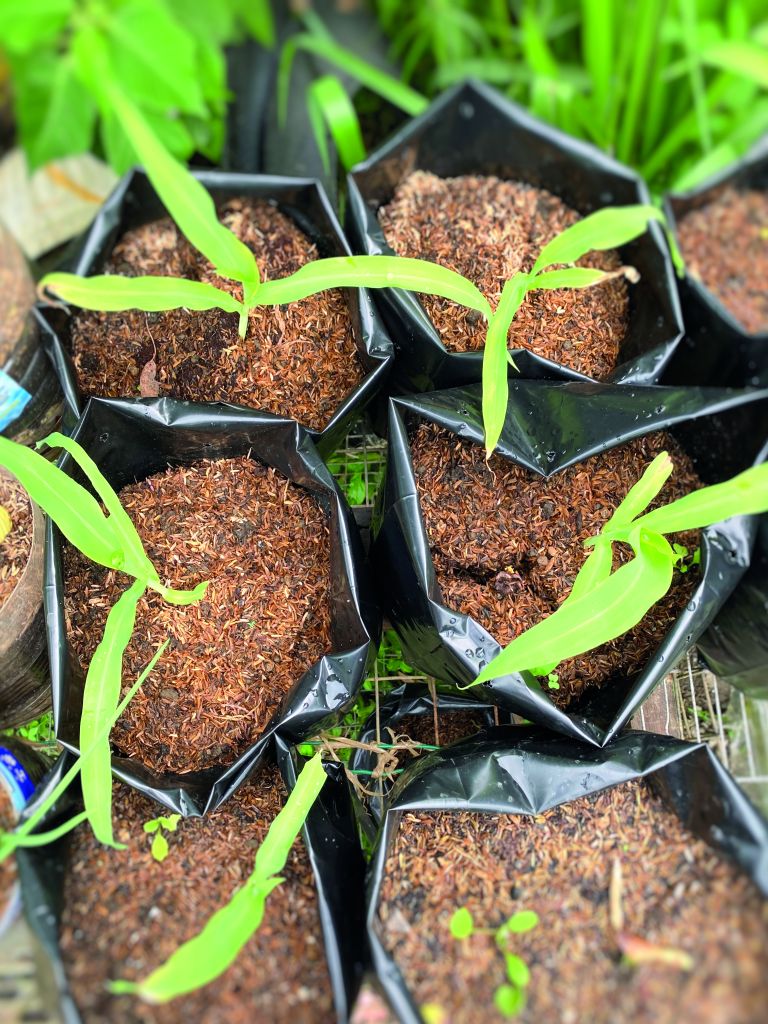
4. Time to sow sweetcorn
There’s still time to sow sweetcorn seed in small pots or modules in June and plant out into rich, moist soil in a sunny spot, when all risk of frost is passed. Sweetcorn is wind pollinated so plant in blocks, rather than rows. Water plants regularly and consider mulching around the base of each plant to lock moisture into the soil. Harvest the sweetcorn cobs when the silky tassels turn brown and the kernels, when pressed with a thumbnail, exude a milky liquid.
5. Watering remains a key job for the weeks ahead
Watering the garden is one of the most important gardening jobs to do in June. You should focus on anything that you have recently planted in your borders and containers and hanging baskets. It is better to water borders thoroughly once a week than a splash of water every day. However, containers need watering at least once a day. Ensure that the water is directed at the soil rather than on the plant leaves to avoid scorching, which will damage the plant.
6. Filling in the June gap
Most spring flowers have come and gone, leaving gaps in your borders. So, if you’re in need of a splash of colour then dahlias maybe the answer. There’s no end to the choice of colour, shape and size available. Easy to grow, they will continue to flower right up to the first frost.
However, if you want a bloom that truly captures the season, then nothing says ‘summer’ better than a vibrant sunflower. They can be sown directly into the soil, where they will quickly germinate and grow.
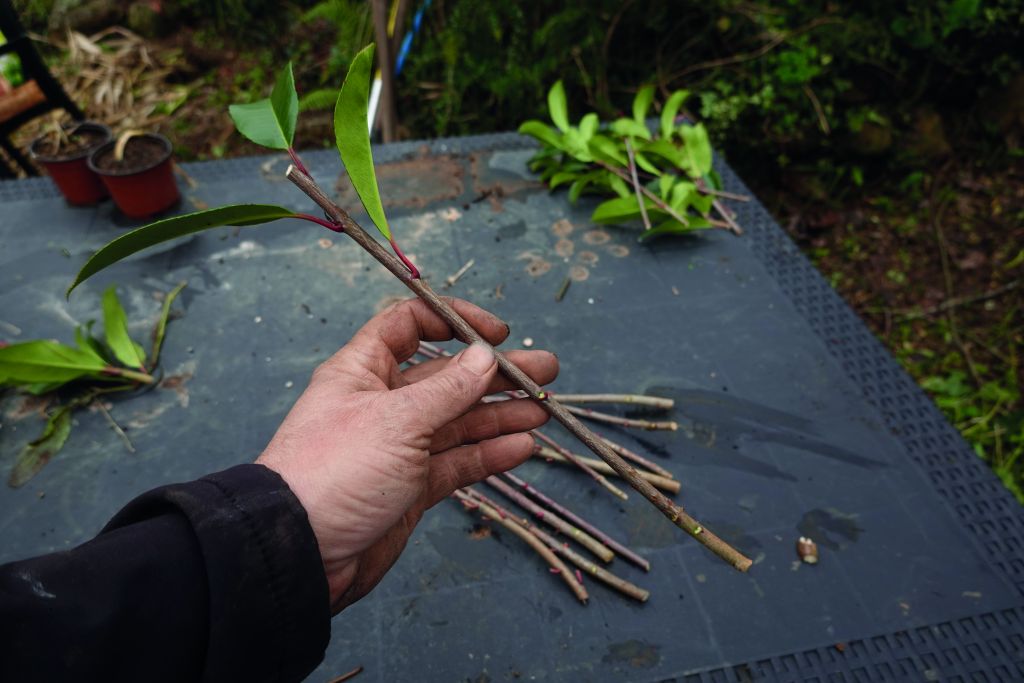
7. Taking softwood cuttings
June is the perfect month to take softwood cuttings from lavender, forsythia and fuchsia. Take 10cm cuttings from the tips of your chosen shrub, making a sharp horizontal cut just below a pair of leaves, and remove any lower set of leaves or buds.
Fill a small pot with gritted compost, and push the cuttings in, parallel to the side of the pot. Space cuttings equally, water and place in a greenhouse or warm windowsill.
If you’re lavender is flowering, then take cuttings and bring indoors. Simply bunch together, tie and suspend somewhere where you can enjoy its fragrance.
8. Look out every day for pests
Pests and diseases will be at their worst, so keep a lookout. If you’ve been growing lilies, check foliage for the dreaded lily beetle, and if found remove and dispose accordingly. Red mite may start appearing in greenhouses, so it’s a good idea to dampen down the paths each day to deter them and keep doors and windows open for plenty of ventilation.
9. Think about autumn planting
It may be difficult to get your head around, but in a few months, autumn will be here, so consider sowing some of those autumn plants, such as pansies and polyanthus. Simply sow seeds onto a tray of fine compost, water and cover lightly. Then place in your greenhouse. Check tray regularly to ensure germination has occurred, and don’t let seedlings dry-out.
10. Don’t forget your pots
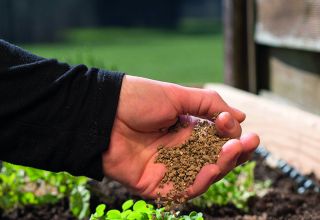
Feed fuchsias, petunias, and any other flowering plants with a fertiliser once a week to boost flowering. Start feeding when you notice buds forming on the plants and continue until the plants run out of steam in early autumn.
Give tuberous begonias a boost by removing female flower buds to allow the plant to put all its energy into producing attractive male flowers. Female flowers are easily recognisable, as the blooms are single, smaller, and less showy.
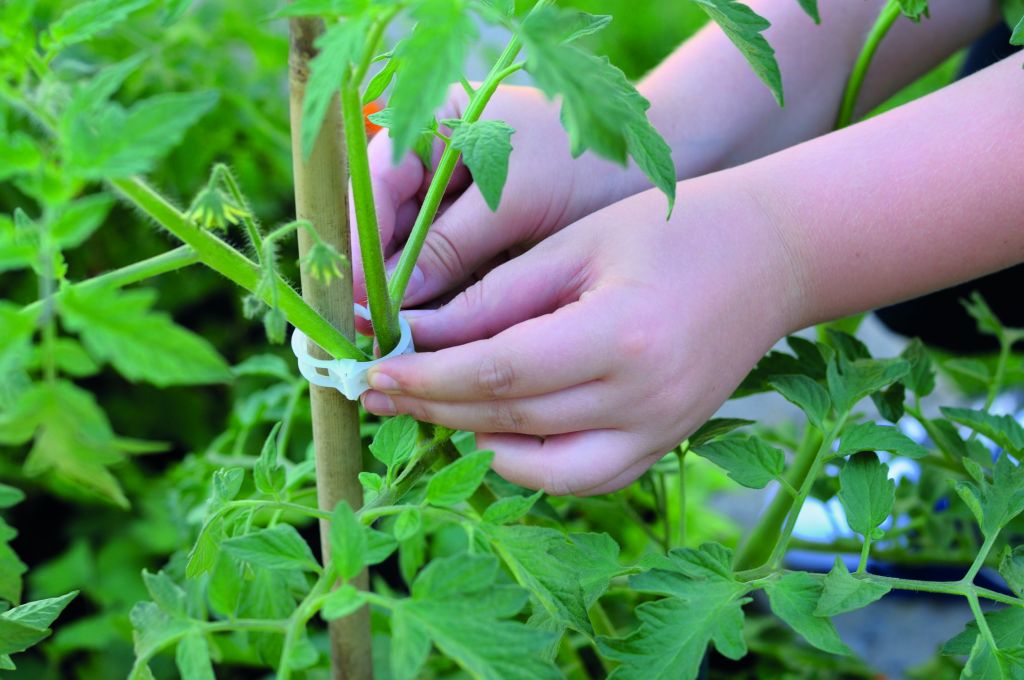
11. Tomatoes need your attention almost every day
Whether you’re growing cordon or bush varieties, your plants will be taking on a lot of growth and producing trusses. Pinch out side-shoots, and ensure your plants are secure, and cordon tomatoes are tied in. With flowers on the plant, this is the time to start giving your tomatoes a weekly potash feed to encourage the fruit to swell. This also applies to peppers, aubergine, and chilli plants.
12. Action on the fruit front
Don’t allow black, red, or white currants to dry out during warm weather or your crop will be spoilt. Water every seven days, depending on the weather. Water potted plants before the compost dries out.
Tidy up early fruiting strawberries. After you have picked the last fruit, cut back foliage to about two inches, exposing fresh leaves. Give plants a boost with a general-purpose fertiliser.
Apple crops can be ruined by codling moth caterpillars tunnelling through the fruit. Reduce damage by hanging pheromone traps in trees to lure away male moths.
Protect fruit bushes from birds by covering them with netting.
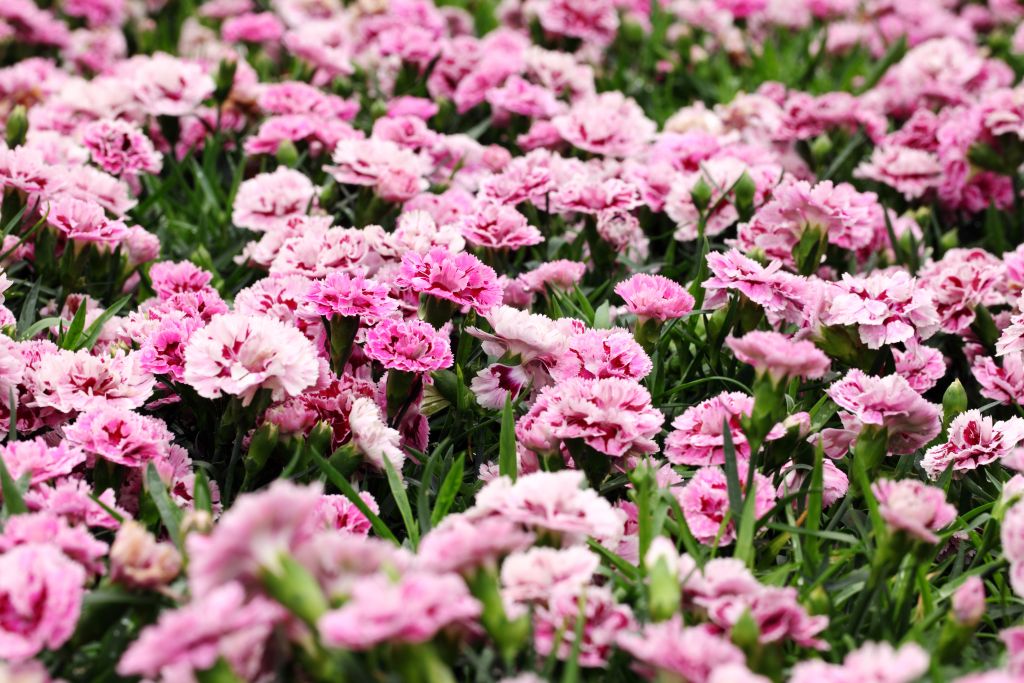
13. Take cuttings of dianthus
Dianthuses are very popular plants due to their spicy clove scent. June is a good time to take cuttings of these plants. Take the cuttings from young non-flowering shoots cutting about five leaf pairs from the tip. Pull off the bottom pair of leaves and place the cuttings round the edge of an 8cm pot filled with compost. Water in gently and keep in a shady place. Do not cover as the cuttings may go mouldy.