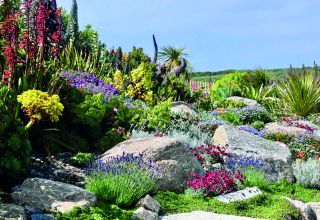

Botanical science continues to change many things and now is leading to a record number of name changes when it comes to many popular and much loved plant.
What’s in a name?
Increasingly it seems a lot, or it will do in the future as a growing understanding of plant evolution and relationships seems set to give us a whole range of new names for many much-loved plants.
A record number of familiar plants and flowers have undergone name changes over the past few years. These changes are usually caused by advances in botanical science, especially improvements in DNA analysis and classification.
As scientists learn more about how plants are related, they sometimes decide that a species belongs in a different genus or family.
One of the best-known examples is the Michaelmas daisy. For many years, these colourful autumn flowers were grouped under the genus aster. However, scientific research showed that many North American species were genetically different from the true European asters. As a result, several common garden varieties grown in the UK were moved into new genera such as Symphyotrichum. Gardeners who once bought Aster novi–belgii may now find the same plant labelled Symphyotrichum novi-belgii. Despite the complicated new names, the flowers remain popular for their bright purple, pink, and white blooms that appear late in the gardening season.
Another important name change involves chrysanthemums. Traditional florists’ chrysanthemums were once classified simply as chrysanthemum. During the twentieth century, botanists moved many species into the genus dendranthema. This caused frustration among gardeners and flower sellers because the old name was deeply established in horticulture. Eventually, after considerable debate, the name chrysanthemum was officially restored for the familiar flowering plants. This example demonstrates that botanical naming is not always permanent and can change again when experts reconsider earlier decisions.
The plant commonly known as montbretia has also experienced a naming revision. Originally identified as Montbretia crocosmiiflora, it is now generally called Crocosmia × crocosmiiflora. This bright orange flowering plant is widespread in British gardens and hedgerows, particularly in the southwest. The updated name reflects a better understanding of the plant’s hybrid origins and its relationship to other members of the iris family. However, many gardeners still prefer the older and easier-to-pronounce name ‘montbretia.’
Sedums provide another example of reclassification. These hardy succulent plants are popular in rock gardens and borders because they tolerate poor soil and dry conditions. Some species previously grouped within sedum have now been reassigned to a separate genus called hylotelephium. The well-known ‘ice plant, once known as Sedum spectabile, is often now labelled Hylotelephium spectabile. Professional horticultural catalogues increasingly favour the newer classification.
The bluebell, one of Britain’s most beloved wildflowers, has undergone changes as well. The native British bluebell was formerly known as Endymion non–scriptus but is now classified as Hyacinthoides non-scripta. The newer name reflects revised understanding of the flower’s place within the hyacinth family. Bluebells are strongly associated with ancient British woodlands and are protected in many areas because of their ecological importance and vulnerability to habitat loss.
Even common herbs have experienced changes. Rosemary, long known scientifically as Rosmarinus officinalis, has recently been moved into the genus Salvia, becoming Salvia rosmarinus. Genetic studies revealed that rosemary is closely related to sages, making the older classification inaccurate according to modern botanical standards. This change surprised many gardeners because rosemary has been recognised under its traditional name for centuries in cooking and herbal medicine.