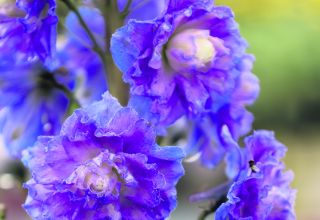
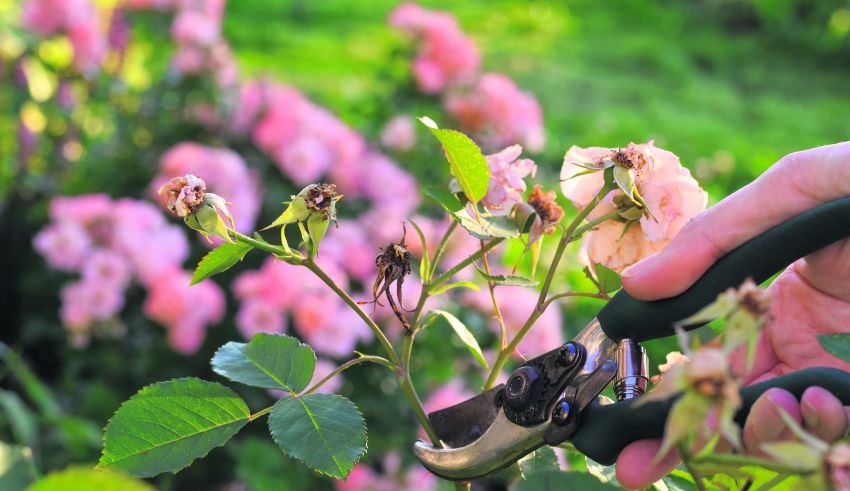
Deadheading keeps flowers from using energy to go to seed, and redirects it toward more growth, so it is a wonderful method of pruning which extends bloom periods and dictates how many blooms a flower can produce.
Summer is when gardens reach their full potential. Flower beds burst into colour, hanging baskets overflow with blooms, and borders become alive with bees, butterflies, and other beneficial insects. However, keeping a garden looking vibrant needs more than regular watering and feeding. One of the simplest yet most effective maintenance tasks is deadheading.
It is worth remembering that the goal of plants is to spread seeds and ensure species survival. Once seeds start setting, the plant will direct its energy to forming those seeds, not to growing new flower buds. If gardeners want more blooms, they have to prevent that energy diversion to the seeds.
Deadheading is the process of removing faded or spent flowers from plants.
While it may seem like a purely cosmetic job, it offers numerous benefits that improve both the appearance and health of many flowering plants. By spending just a few minutes each week deadheading it will mean longer flowering displays and healthier plants.
Deadheading simply involves removing flowers once they have finished blooming before they begin producing seeds. The flower stem needs to be cut or pinched back to the next healthy leaf, bud, or side shoot using fingers, scissors, or secateurs.
Once pollination has occurred and seeds begin to develop, the plant diverts much of its energy away from producing new flowers. By removing spent blooms before seed production begins, gardeners effectively encourage many plants to continue flowering instead of focusing on reproduction.
Encourages more flowers
The biggest benefit of deadheading is that it encourages plants to produce additional blooms.
When faded flowers remain on a plant, energy is invested in creating seeds rather than producing new flower buds. Removing spent blooms interrupts this cycle and encourages many plants to keep flowering for weeks or even months longer.
Plants such as petunias, geraniums, cosmos, and dahlias are particularly responsive.
Keeps plants looking attractive
Dead flowers quickly become brown, shrivelled, and untidy. Even the healthiest garden can begin to look neglected if faded blooms are left in place.
Regular deadheading keeps borders, containers, and hanging baskets looking fresh and colourful. It highlights the newest flowers rather than allowing old blooms to distract from the display.
Prevents unwanted self-seeding
Some flowering plants readily scatter seeds around the garden. While this can be useful in informal cottage gardens, it may become a nuisance when seedlings appear where they are not wanted.
Deadheading helps prevent excessive self-seeding in plants such as:
- Aquilegias
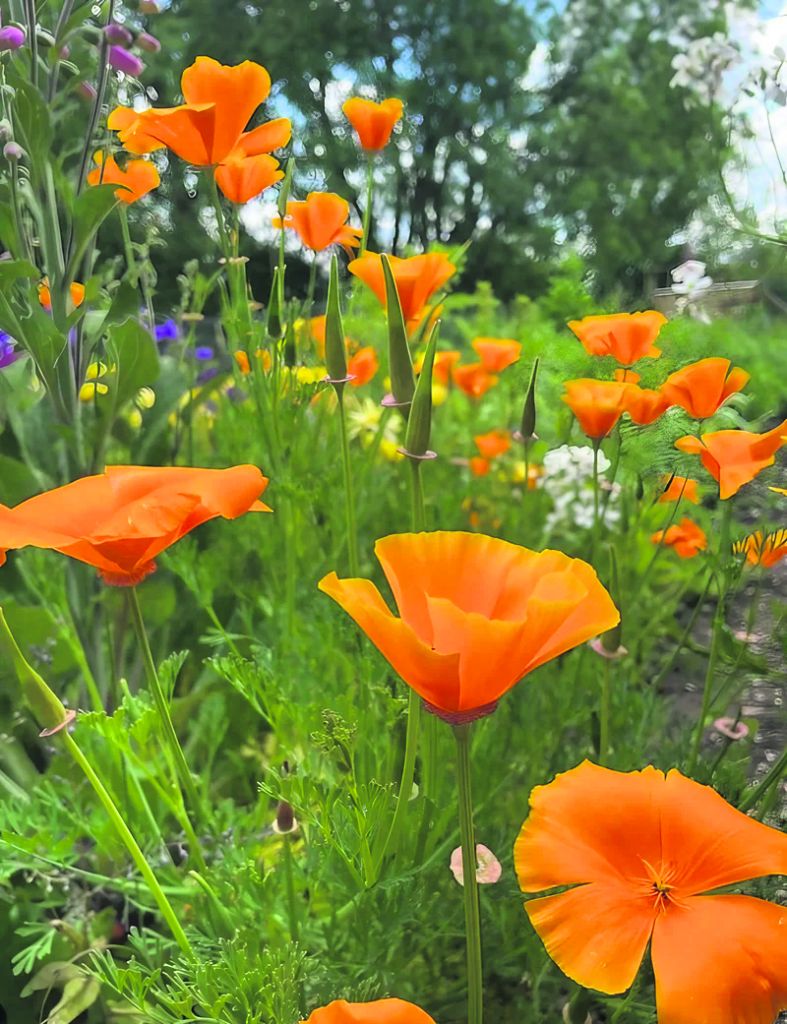
- Californian poppies
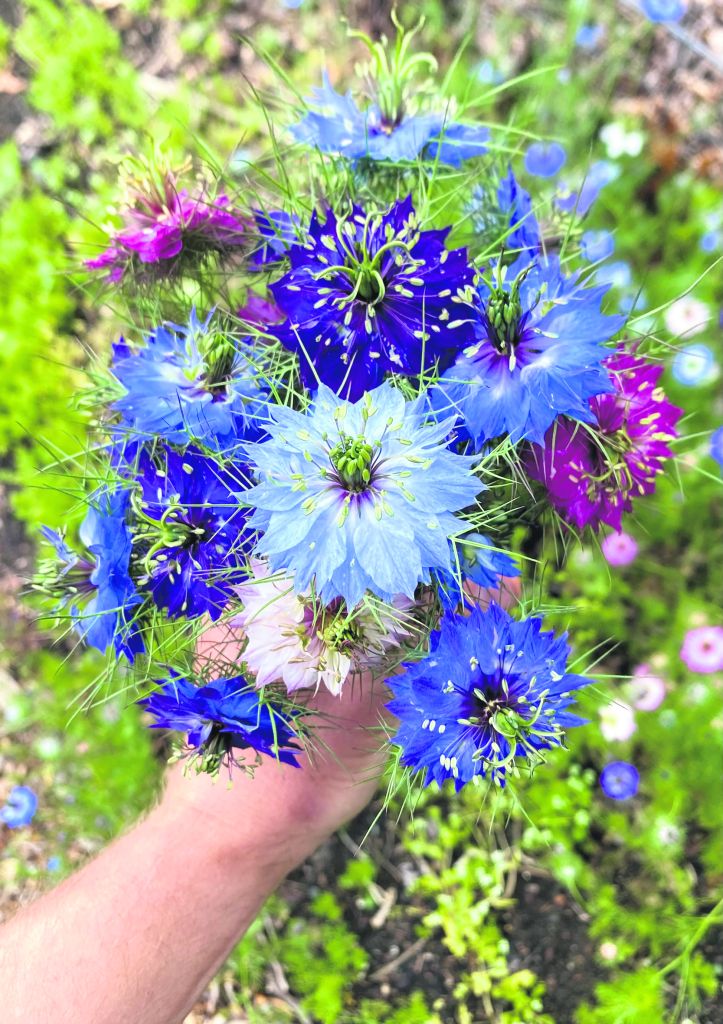
- Nigella
- Foxgloves (if seed collection is not desired)
- Certain hardy geraniums
By removing flowers before seeds mature, gardeners have greater control over where plants grow the following year.
Reduces disease
Decaying flowers can trap moisture around leaves and stems, creating ideal conditions for fungal diseases such as grey mould (Botrytis).
Removing faded blooms improves air circulation and eliminates dying plant material that can harbour disease.
How to deadhead correctly
Deadheading is straightforward but doing it correctly produces the best results.
Always use clean, sharp secateurs or scissors when cutting thicker stems. For soft-stemmed annuals, pinching flowers off with your fingers is often sufficient.
Follow the flower stem down to the first healthy leaf, side shoot, or developing flower bud before making the cut.
When should you deadhead?
Summer is the peak season for deadheading.
Ideally, inspect flowering plants once or twice each week.
During periods of rapid flowering, hanging baskets and containers may benefit from deadheading every few days.
Morning or evening is usually the best time, particularly during hot weather, as plants are less stressed than in the heat of midday.
Environmental benefits
Deadheading can also contribute to a healthier garden ecosystem.
Longer flowering seasons provide nectar for pollinators over an extended period, supporting bees, butterflies, hoverflies, and other beneficial insects.
However, gardeners should strike a balance.
Flowers that benefit most from deadheading
Although not every flowering plant needs deadheading, many popular garden favourites respond exceptionally well.
Roses
Repeat-flowering roses produce several flushes of flowers throughout the season. Removing faded blooms encourages the plant to develop new flower buds instead of producing rose hips.
Geraniums (Pelargoniums)
Geraniums are famous for their long flowering season, but only when old flower heads are removed regularly.
Petunias
Petunias produce masses of colourful flowers all summer but can quickly become untidy if spent blooms remain.
Dahlias
Dahlias reward regular deadheading with spectacular displays until the first autumn frosts.
It is important to distinguish between unopened buds and spent flowers.
Cosmos
Cosmos naturally flower over a very long period, but deadheading can extend the display considerably.
Cut faded stems back to a pair of healthy leaves or developing buds.
This encourages continuous flowering throughout late summer.
Sweet Peas
Sweet peas are one of the plants that benefit most from regular picking and deadheading.
Marigolds
French and African marigolds respond extremely well to deadheading.
Removing faded flowers keeps plants compact and encourages fresh blooms throughout summer.