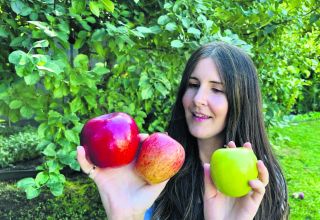
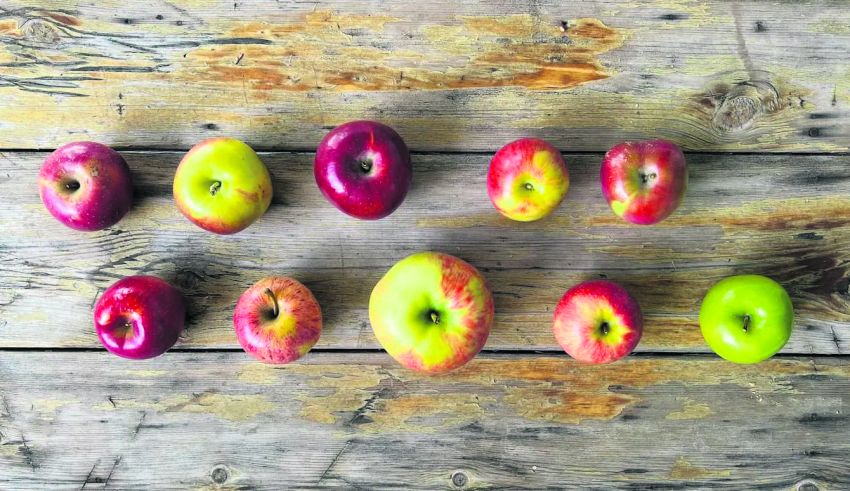
Apple identification is telling one variety from another by physical characteristics, growth habits, and seasonal features. Accurate identification needs an understanding of the traits that make each variety unique and is an essential skill that improves your knowledge of fruit cultivation and biodiversity.
First the good news. In Britain there are just over 20 apple varieties we regularly buy, eat and cook with.
The other news is there are a wonderful 2,500 varieties in total available to us in the UK. And while most shops offer us Gala and Braeburn which together account for half of retail apple sales, other supermarket staples and heavy hitters include Pink Lady, Granny Smith, Golden Delicious, and Jazz.
The bigger majority remains a large variety of local, regional specialist, rare and wonderfully different varieties which offer a most fantastic choice of taste, colour size, look, shape, and appearance. Identifying them isn’t easy but can be great fun and a wonderful learning curved.
The first step in identifying an apple is to understand that no single characteristic is enough to determine its variety. Instead, identification relies on examining a combination of features. Many apples can appear similar in colour or size, but differences in shape, texture, flavour, and ripening time often reveal their identity.
When beginning, it is helpful to have a notebook or digital record where you can document your observations. Take clear photographs of the fruit from several angles, including the stem end, the blossom end (calyx), and a side view. Record where the tree is growing, the approximate harvest date, and any information about its history. Older orchards, gardens, or local heritage collections may contain traditional varieties that have distinctive characteristics.
It is also useful to compare the apple with reliable identification guides or reference collections. Experienced pomologists (fruit specialists) rarely identify an apple from a single photograph because many important details can only be observed by handling the fruit.
The overall appearance of an apple provides the first clues to its identity. Begin by looking at its size. Apples can range from very small crab apples measuring only a few centimetres across to large cooking apples that exceed ten centimetres in diameter.
Shape is another important characteristic. Apples may be:
- Round
- Oblong
- Conical
- Flattened (oblate)
- Oval
- Ribbed
- Asymmetrical
Some varieties maintain a very regular shape, while others develop uneven sides or pronounced ribbing around the calyx. These differences are often consistent within a variety and provide valuable identification clues.
Skin colour and pattern
Colour is one of the most noticeable features but should never be used on its own. Weather conditions, sunlight exposure, and maturity can all influence the final colour of the fruit.
Observe both the background colour and the overlying colour. The background colour may be green, yellow, or cream, while the over-colour may appear as:
- Bright red
- Dark crimson
- Orange red
- Pink
- Brownish red
Many apples also display striped, streaked, flushed, or mottled colouring. Some varieties develop only a faint blush, while others become almost entirely red.
Small white or brown dots known as lenticels are another useful feature. Their size, shape, colour, and distribution vary considerably between apple varieties.
The Stem and Stem Cavity
The stalk (pedicel) can differ greatly between varieties.
It may be:
- Short
- Long
- Thick
- Thin
- Woody
- Flexible
Examine the cavity surrounding the stem. It may be shallow or deep, narrow or wide, smooth or russeted. Some apples have prominent folds or ridges around the stem cavity, while others are almost perfectly smooth.
Russeting
Russet is a rough, brown, cork-like skin texture found on many apple varieties. Some apples are completely covered in russet, while others show it only around the stem or blossom end.
Russeting can appear as:
- Thin patches
- Net-like patterns
- Solid brown covering
- Star-shaped markings
Certain heritage varieties are recognised largely by their distinctive russet patterns.
Flesh Characteristics
Cutting open the apple reveals several additional identifying features.
Observe:
- Flesh colour
- Firmness
- Crispness
- Juiciness
- Texture
- Browning after cutting
Most apples have white or cream-coloured flesh, although some varieties have pink or even red flesh. The speed at which the flesh browns after exposure to air can also help distinguish certain cultivars.
Texture is equally important. Some apples are crisp and crunchy, while others are softer, finer, or coarser in texture.
The Calyx (Blossom End)
The blossom end, known as the calyx, provides several useful identification features.
Observe:
- Whether the sepals are open or closed
- The depth of the calyx basin
- The width of the basin
- The presence of ribs
- Wrinkling around the eye
These characteristics remain fairly constant between seasons and are widely used by professional fruit identifiers.
Taste and aroma
Flavour is one of the most distinctive identifying characteristics. A complete identification should always include tasting the fruit if possible.
Consider:
- Sweetness
- Acidity
- Bitterness
- Astringency
- Balance
- Aroma
Some apples are intensely sweet with little acidity, while others are sharp enough to be used primarily for cooking. Dessert apples generally offer a balance between sweetness and acidity, whereas cider apples often possess additional tannins that create bitterness or a drying sensation in the mouth.
The aroma can also provide valuable clues. Different varieties may have hints of honey, pear, citrus, strawberry, nuts, spices, or floral notes.
Harvest time
The season in which an apple ripens is another important clue.
Apple varieties are commonly divided into:
- Early season
- Mid-season
- Late season
Early apples are often harvested in late summer and are best eaten quickly. Mid-season apples mature during early autumn, while late-season apples may be harvested well into autumn and stored throughout the winter.
Recording the harvest date can significantly narrow down the number of possible varieties.
Tree Characteristics
Fruit alone may not provide enough information, so the tree itself should also be examined.
Useful observations include:
- Tree vigour
- Branch structure
- Growth habit
- Bark appearance
- Leaf shape
- Leaf size
- Leaf colour
- Flower colour
- Flowering period
Some apple trees grow upright, while others have spreading or drooping branches. Leaves may vary in size, shape, and edge serration. Blossom colour can range from white to deep pink, providing additional seasonal clues.
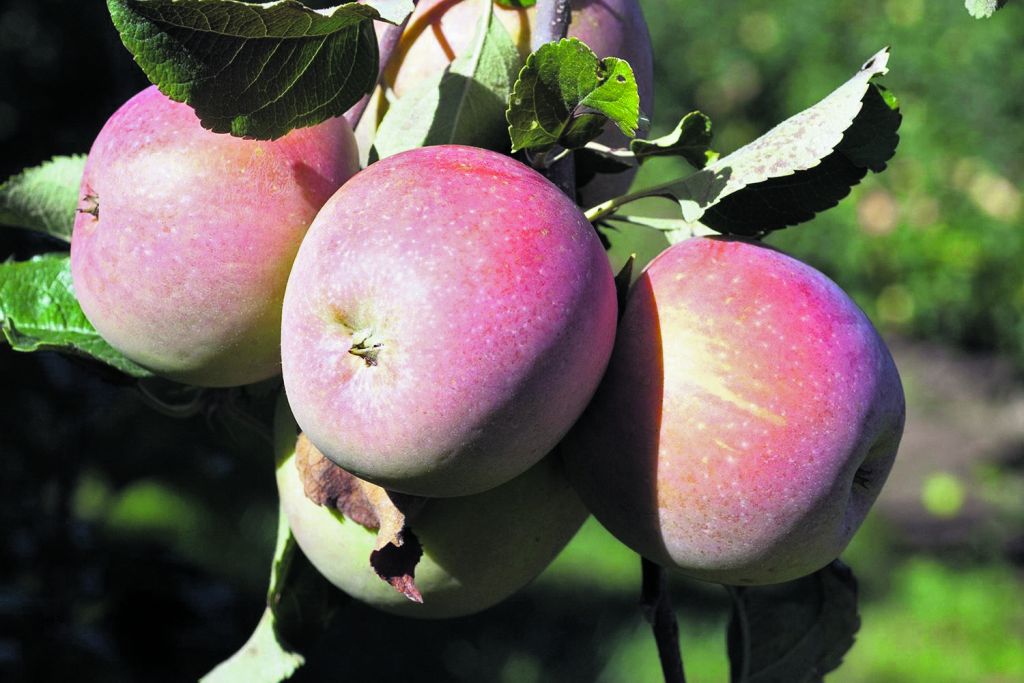
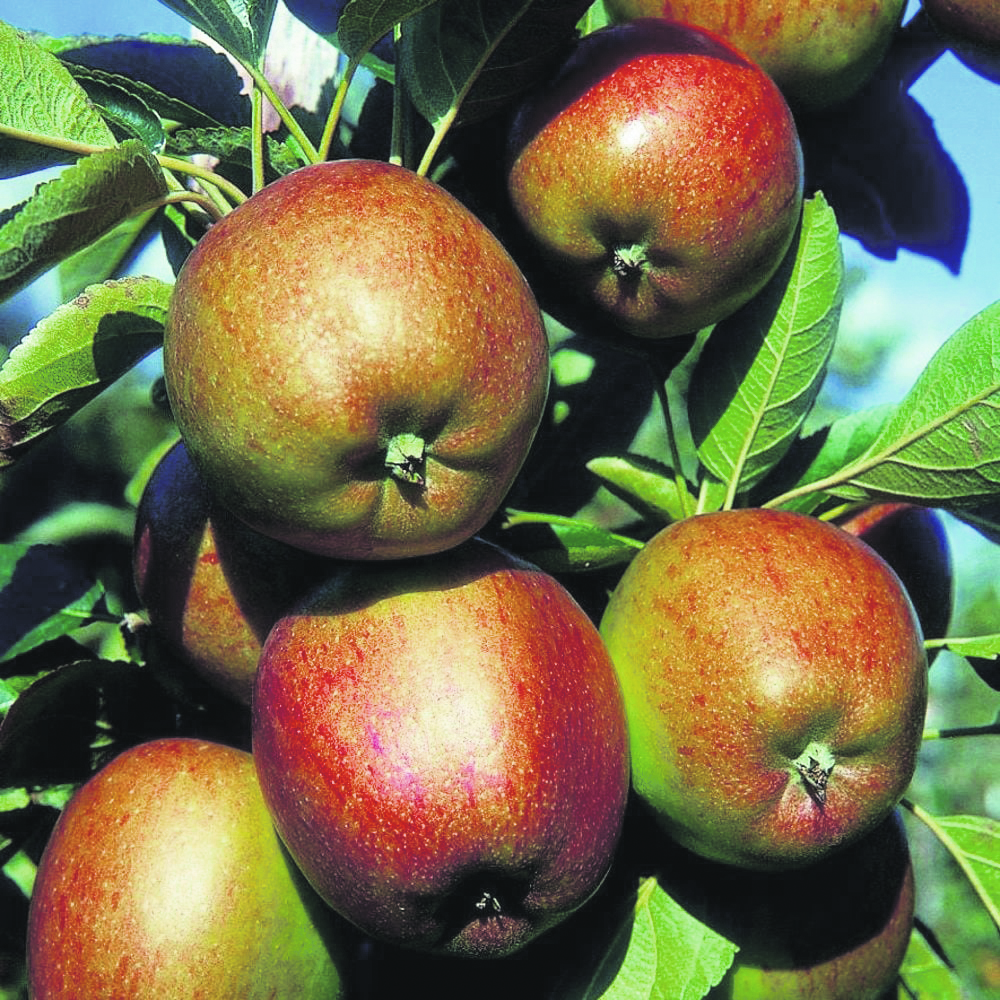
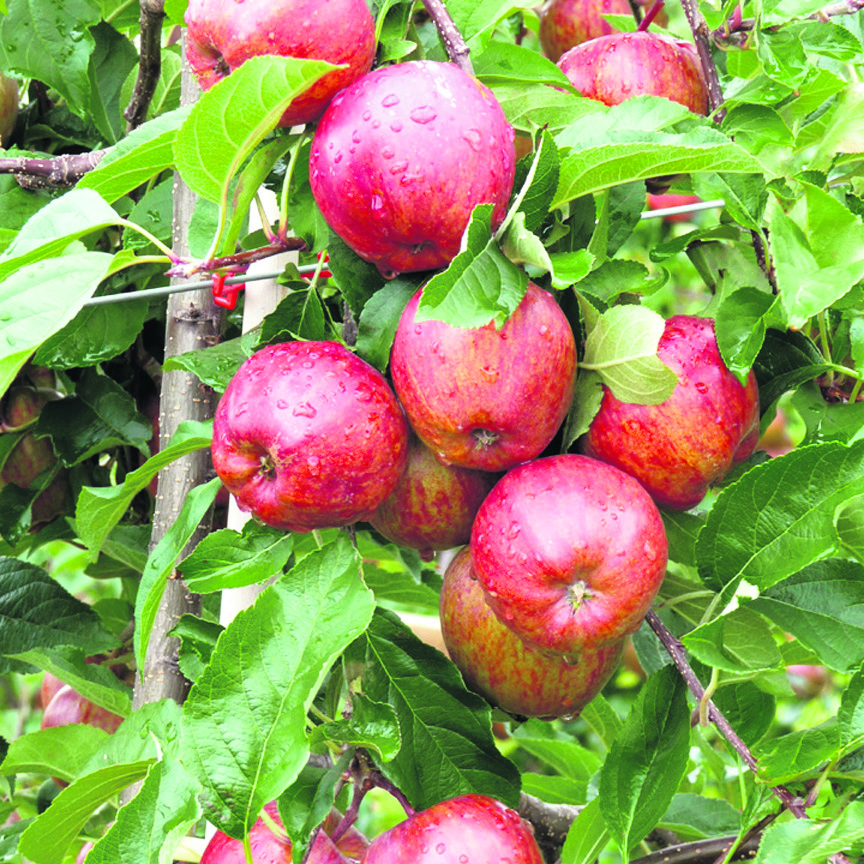
Pink Lady, Braeburn and Gala ‘top of the pips’ when it comes to being identified as most popular apples
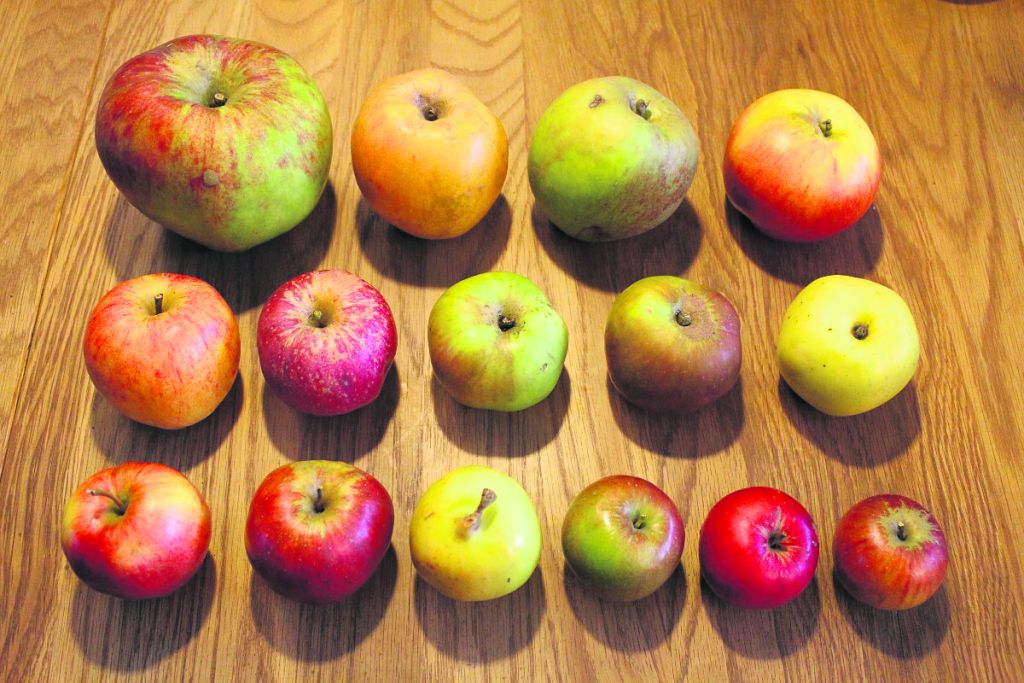
Common differences between apple varieties
Apple varieties differ for many reasons, including breeding history, climate adaptation, intended use, and genetics.
Some are developed primarily for eating fresh. These dessert apples are usually crisp, juicy, and sweet.
Cooking apples contain higher acidity and often soften during baking, making them ideal for pies, sauces, and desserts.
Cider apples possess higher tannin levels and more complex flavours suitable for fermentation.
Storage ability also varies widely. Some apples remain fresh for only a few weeks after harvest, while others improve in flavour after several months of storage.
Disease resistance is another difference. Modern varieties are often bred to resist common diseases such as apple scab, powdery mildew, and fire blight, while older heritage cultivars may require more careful management.
Environmental influences
It is important to remember that the growing environment affects how an apple develops. Weather, rainfall, sunlight, soil type, pruning, irrigation, and crop load can all influence the fruit’s size, colour, and flavour.
For this reason, apple identification should never rely on a single observation. Multiple characteristics should always be assessed together before reaching a conclusion.
Apple identification is both a science and an art. It depends on carefully examining a wide range of characteristics rather than relying on colour or size alone. By observing the fruit’s shape, skin colour, russeting, lenticels, stem, calyx, flesh, flavour, harvest season, and the characteristics of the tree itself, it becomes possible to distinguish between even closely related varieties. With experience, patience, and accurate record-keeping, anyone can develop the skills needed to identify apples confidently.