Most gardeners agree if there is one herb you must grow it is basil. The wide variety of types offers endless possibilities for flavour and use, from classic Italian dishes to exotic Asian recipes and herbal remedies. It remains a versatile, accessible herb that enhances the garden and the kitchen.
More gardens should grow more of it. It is one of the most popular and rewarding herbs to grow, prized for its aromatic leaves, culinary versatility, and it’s very easy to grow.
The warmer the summer ,the better the herb will grow and flourish. Whether you are a beginner gardener or an experienced grower, understanding how to cultivate basil just means paying attention to its growing conditions, maintenance needs, and the diversity of the many varieties you can opt for.
Exploring its uses alongside its many types also helps deepen appreciation for this fragrant plant.
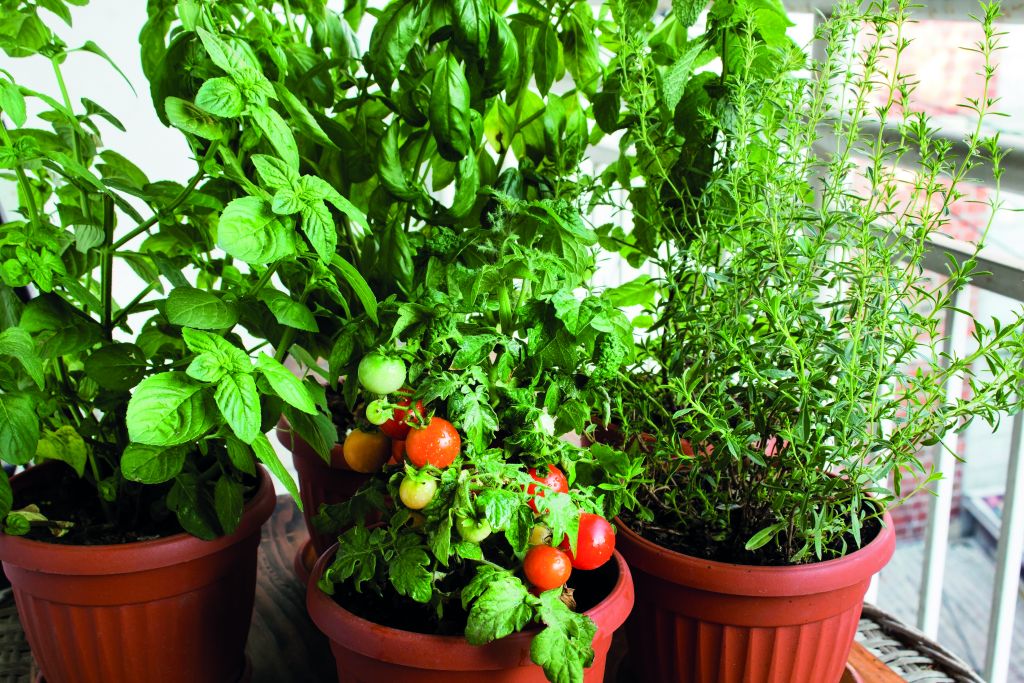
Basil thrives in warm, sunny conditions and is best grown during late spring and summer. It needs at least six to eight hours of direct sunlight each day, making a sunny windowsill, greenhouse, or outdoor garden bed ideal. The plant prefers well-draining soil that is rich in organic matter. A light, loamy soil mixed with compost provides the nutrients basil needs to grow lush, flavourful leaves. If growing in containers, ensure that pots have adequate drainage holes to prevent waterlogging, which can lead to root rot.
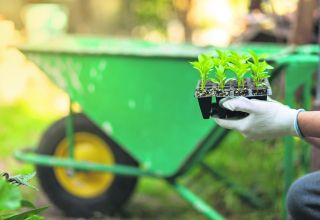
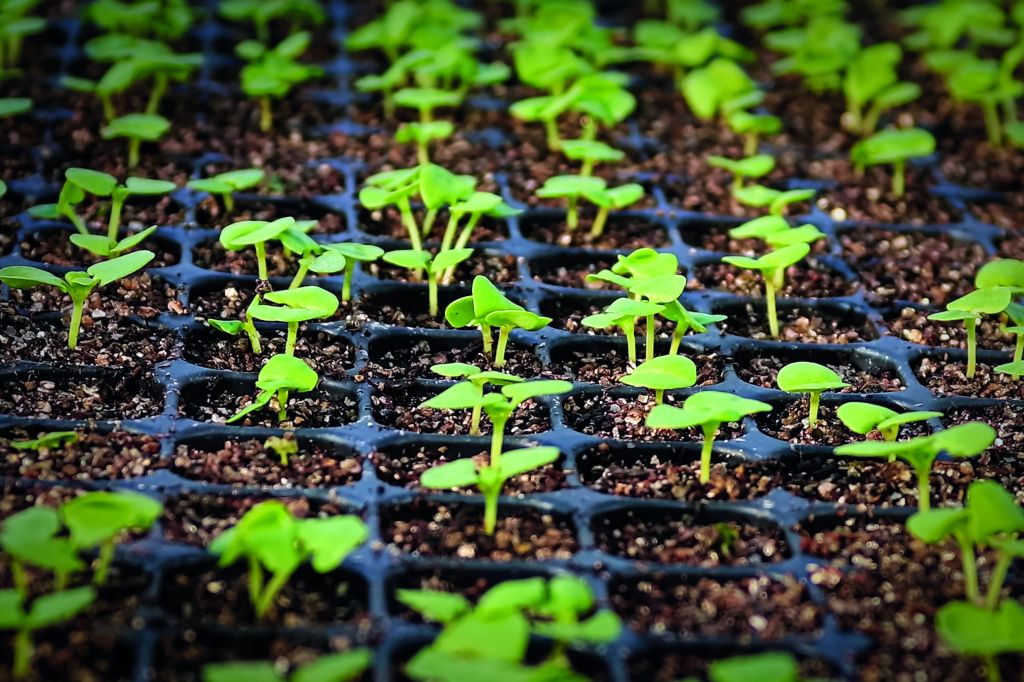
Starting basil from seed is straightforward and economical. Seeds can be sown indoors a few weeks before the last frost or directly outdoors once temperatures are consistently warm. Basil germinates best at temperatures between 20–25°C, and seedlings usually appear within five to 10 days. Once they have developed a few sets of true leaves, they can be transplanted into larger pots or garden beds
Watering is an essential part of basil care. The plant prefers consistently moist soil but does not tolerate being waterlogged. It is best to water deeply when the top layer of soil feels dry, rather than applying small amounts of water frequently. Early morning watering is ideal, as it allows leaves to dry during the day and reduces the risk of fungal diseases. Mulching around the base of the plant can help retain moisture and regulate soil temperature.
Pruning and harvesting basil properly encourages bushier growth and prevents the plant from becoming leggy. Regularly pinching off the top sets of leaves stimulates lateral branching, resulting in a fuller plant. It is also important to remove any flower buds as soon as they appear. Once basil begins to flower, the plant’s energy shifts toward seed production, and the leaves may become bitter.
A cooking ingredient you shouldn’t do without
Basil is widely used in cooking across many cultures, making it a staple herb in kitchens around the world. Its most famous role is in Italian cuisine, where it is a key ingredient in pesto, a sauce made with basil leaves, garlic, pine nuts, olive oil, and cheese. Fresh basil is also commonly added to salads, pasta dishes, and pizzas, often paired with tomatoes for a classic flavour combination. Beyond Italian cooking, basil is integral to Southeast Asian cuisines, where it appears in curries, stir-fries, and soups. Thai basil, for example, has a slightly spicy, anise-like flavour that complements bold dishes.
In addition to culinary uses, basil has been valued for its medicinal properties. It contains essential oils with antibacterial and anti-inflammatory qualities, and in traditional herbal medicine, it has been used to aid digestion, reduce stress, and support respiratory health. Some varieties, such as holy basil, are particularly noted for their role in herbal remedies and teas. The plant’s fragrance also makes it useful in natural pest control, as it can help repel insects when grown alongside other plants.
Varieties galore
One of the most fascinating aspects of basil is the wide range of varieties available, each with distinct flavours, aromas, and appearances. Sweet basil is the most common type, known for its classic flavour and broad, bright green leaves. It is the variety most often used in Mediterranean dishes. Genovese basil, a subtype of sweet basil, is especially prized for its intense aroma and is considered the best choice for making pesto.
Thai basil differs significantly from sweet basil, with narrower leaves and a more robust, spicy flavour profile that includes hints of liquorice. It also has purple stems and flowers, making it visually distinctive. Lemon basil offers a citrusy aroma and taste, making it a refreshing addition to salads and seafood dishes. Similarly, lime basil provides a tangy twist that works well in marinades and drinks.
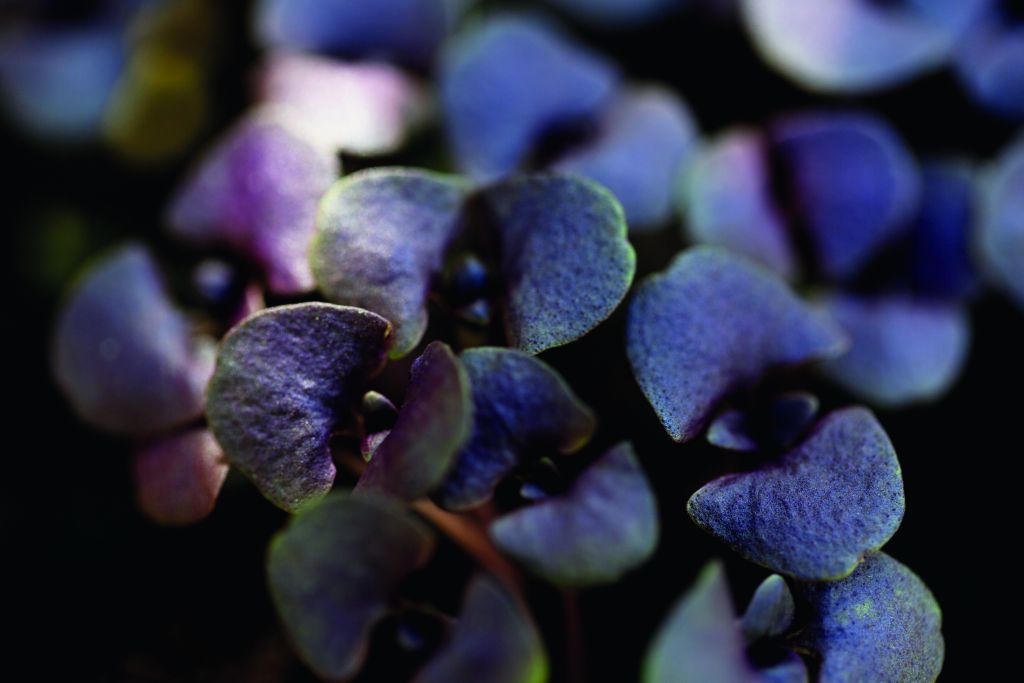
Purple basil varieties, such as Dark Opal basil, are grown as much for their ornamental value as for their flavour. Their deep purple leaves add colour to gardens and dishes, though their taste is often slightly milder than green basil. Cinnamon basil is another interesting variety, featuring a warm, spicy scent reminiscent of cinnamon, which pairs well with desserts and teas.
Holy basil, also known as tulsi, holds cultural and religious significance in parts of Asia. It has a more complex, clove-like flavour and is frequently used in herbal infusions. African blue basil is a hybrid variety known for its strong fragrance and attractiveness to pollinators.
Growing multiple varieties of basil together can be both practical and enjoyable. It allows gardeners to experiment with different flavours in cooking and creates visual interest in the garden. However, it is important to note that different varieties may have slightly different growth habits and flavour intensities, so spacing and care should be adjusted accordingly.
Pests and diseases can affect basil, but they are generally manageable with proper care. Common pests include aphids, whiteflies, and slugs. These can often be controlled through natural methods such as hand removal, insecticidal soap, or introducing beneficial insects. Fungal diseases, such as downy mildew, can occur in humid conditions, so ensuring good airflow and avoiding overhead watering can help prevent issues.
In cooler climates, basil is typically grown as an annual, as it is sensitive to frost. However, it can be grown indoors year-round with sufficient light and warmth. Using grow lights can help maintain healthy plants during darker months. Indoor basil requires similar care to outdoor plants, including regular watering, pruning, and occasional feeding with a balanced fertiliser.
Be more creative with your basil this summer
There are over 250 varieties available to the creative herb so there’s the chance to let your imagination run away with itself
- Sweet Basil – The classic basil used in Italian cuisine. It has large, tender leaves and a sweet, slightly peppery flavour. Essential for dishes like pesto and caprese.
- Genovese Basil – A type of sweet basil prized for its strong aroma and rich flavour. It’s the traditional choice for authentic pesto from Genoa.
- Thai Basil – Recognisable by its purple stems and anise-like flavour. Commonly used in Thai and Vietnamese cooking, especially in stir-fries and soups.
- Holy Basil – Also known as tulsi, it has a spicy, clove-like taste. Widely used in Indian cuisine and traditional herbal medicine.
- Lemon Basil – Has a bright lemony aroma and flavour, making it ideal for teas, desserts, and light dishes like fish or salads.
- Purple Basil – Deep purple leaves with a slightly spicier taste than sweet basil. Adds colour and flavour to salads and garnishes.
- Cinnamon Basil – Features a warm, cinnamon-like aroma due to cinnamate compounds. Great in desserts, teas, and some savoury dishes.
- Greek Basil – A bushy plant with tiny leaves and a strong, classic basil flavour. Ideal for container gardening and garnishes.
- African Blue Basil – A hybrid with camphor-like notes and striking purple-green foliage. Popular for pollinators and ornamental use.
- Lettuce Leaf Basil – Known for its huge, ruffled leaves and mild flavour. Excellent for wrapping foods or adding bulk to salads.